
A Quick Guide for Winterizing Patio Furniture
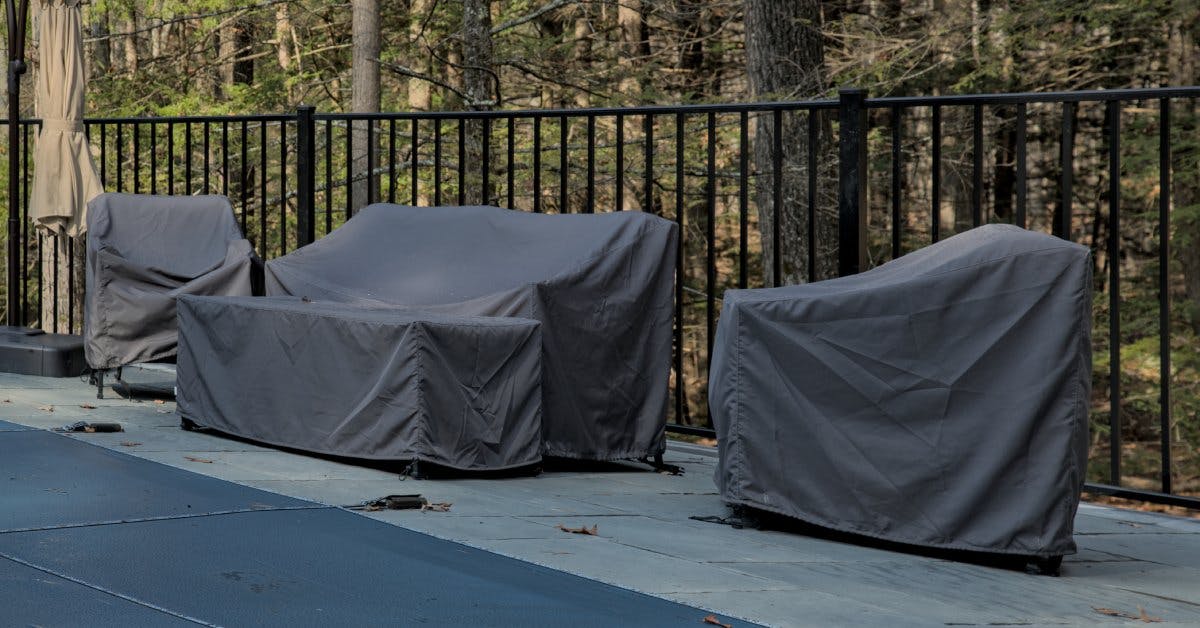
Patio furniture survives scores of leisurely afternoons and lively gatherings. Yet, as winter creeps in with freezing rain, snow, and biting winds, it wreaks havoc on your cherished outdoor pieces. Winterizing your patio furniture is the key to keeping it clean, extending its lifespan, and preserving its quality. Use the guide below to safeguard your investment against the harsh elements, ensuring your furniture remains stunning and ready for use when warmer days return.
Assessing Your Patio Furniture’s Winter Readiness
Before winterizing, begin by thoroughly inspecting each piece. Look for signs of wear, such as cracks in plastic or resin, rust on metal, or chipping in wooden finishes. As you inspect, identify the materials used in your furniture, as different materials require unique care.
For example, metal components need rust-proofing, while cushions demand specialized treatments to prevent mold. Assessing your furniture’s condition ensures that each item gets the tailored maintenance it deserves, preventing small issues from becoming severe over winter.
Cleaning Your Furniture Before Storage
Cleaning is a crucial first step before putting your furniture away. For wood, use mild soap and water to remove grime, followed by a soft cloth for drying. Make sure the wooden surface is completely dry, as the cold temperatures of the winter may lead to frost or deterioration if there is moisture.
Clean metal furniture with a water-vinegar solution to remove rust and dirt, while plastic and resin respond well to gentle dish soap. Avoid abrasive scrubbers, which scratch surfaces, especially on wicker pieces. By starting with a clean slate, you ensure that your furniture does not harbor dirt or debris that could degrade it over time.
Metal Furniture Protection
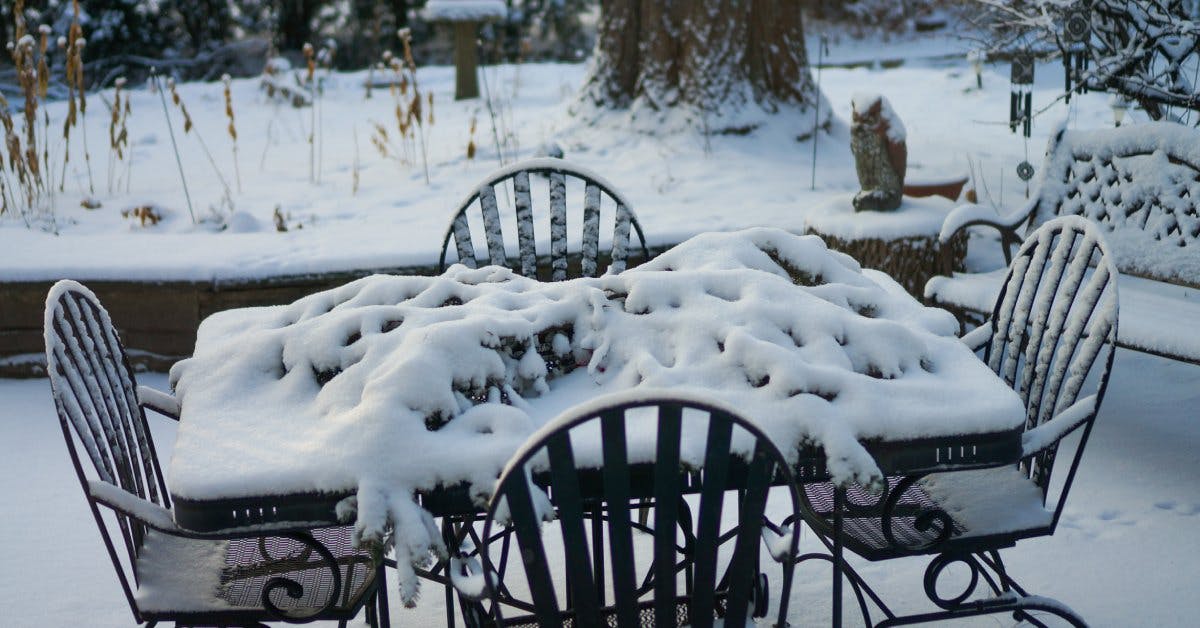
Metal is durable but not immune to environmental stress. Use soapy water and a sponge to remove dirt buildup. Gently scrub off any rust spots with sandpaper or a wire brush, then apply a rust-resistant primer or paint to prevent further corrosion.
Use a protective coating, such as car wax or silicone spray, to shield metal surfaces from dew and snow. If your metal furniture is damaged, contact the professionals at CFR Patio to apply powder coatings that will make them look refreshed and ready for the challenges of winter. These preventative measures ensure your metal furniture remains functional and visually appealing for years.
Protecting Upholstery and Cushions
Winter brings environmental conditions that make your patio wet and dry at different times throughout. Upholstery and cushions need extra care, as they are particularly vulnerable to moisture and mold.
Vacuum and eliminate dust and crumbs before wiping. Next, use mild detergent and warm water to hand-wash the fabric thoroughly. Ensure the cushions are completely dry before storing them to prevent unpleasant odors or mildew growth.
Make sure your cushions are in good condition before storing them. Services such as patio furniture strap replacement ensure your cushions are ready for reuse after the winter. Wrapping the cushions in breathable storage bags or vacuum-sealed containers is an excellent way to keep them protected throughout the season.
Waterproofing Tips for Fabric Components
Use a quality fabric protector spray designed for outdoor use to shield fabric components from moisture. Apply it evenly over cushions, umbrella fabric, and other textiles once they’re clean and dry. These sprays create a moisture-resistant barrier, significantly reducing the risk of water damage.
Reapply the fabric protector every winter to ensure sustained protection. Testing the protector on a small patch beforehand helps you avoid unexpected discoloration.
Winterizing Wood Furniture
Wood furniture is elegant but may succumb to moisture if not prepared for winter. After cleaning, perform a light sanding to smooth out any rough patches or scratches. Apply a weatherproof sealant or wood oil to protect the pieces from absorbing moisture that could expand, crack, or warp them.
Teak and cedar hold up exceptionally well outdoors, but using these treatments adds an extra layer of security. Store wooden furniture in a cool, dry space to extend its longevity.
Caring for Wicker and Rattan Furniture
Wicker and rattan require a delicate touch, as improperly treated woven material becomes brittle and cracks during the colder months. Clean your patio furniture with a soft brush, warm water, and mild soap.
Allow it to dry fully, then apply a thin layer of furniture wax or a weatherproof spray. Cover the pieces with durable, properly fitted furniture covers, particularly if you lack indoor storage space. These steps will maintain your wicker’s flexibility and structure.
Steps for Plastic and Resin Furniture
Plastic and resin furniture is resilient, but prolonged exposure to extreme temperatures causes warping or discoloration. Clean these pieces with warm, soapy water and a sponge, paying special attention to removing stains.
For added protection, apply a UV-resistant spray to prevent fading or cracking caused by ultraviolet light. When storing, avoid stacking heavy items on top, as excessive weight deforms plastic furniture over time.
The Importance of Proper Furniture Covers
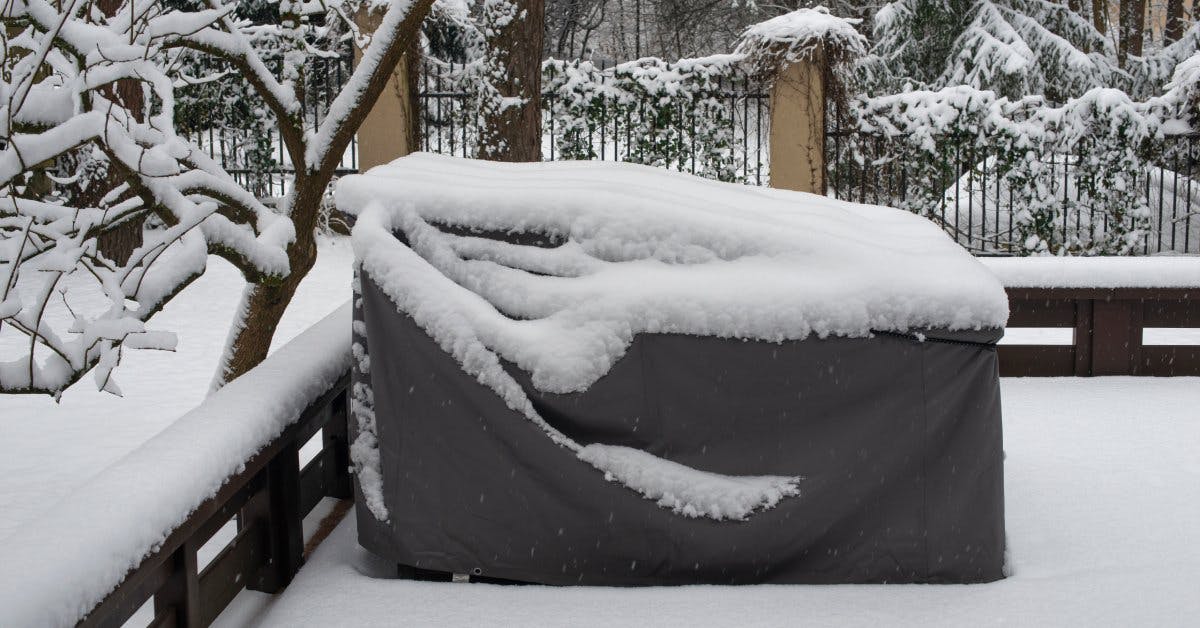
Investing in high-quality, weatherproof furniture covers is one of the most effective steps in protecting your patio setup. Look for covers with features such as water resistance, UV protection, and sturdy tie-downs to create a snug fit. The custom outdoor covers from CFR Patio use Hydrofend® to offer superior UV and weather protection for your furniture while maintaining the sleek appearance of your outdoor space.
Ensure the covers completely enclose each piece to prevent windblown debris or moisture from seeping in. Quality covers act as a first line of defense against snow, rain, and dirt, preserving your furniture’s appearance and durability.
Storing Your Patio Furniture Safely
Choose a reliable storage location, such as your garage, shed, or basement, to shield furniture pieces from direct exposure to frost and fluctuating temperatures. If space is a concern, consider disassembling larger items like tables or chairs to maximize storage potential.
Place heavier items at the bottom when stacking to prevent damage, and use padding between delicate surfaces. For commercial spaces that have dozens of different pieces and sets, consider storage facilities for adequate space. Proper storage enhances protection and makes it easier to set up your patio again come spring.
Winter Maintenance Strategies
Even well-stored furniture deserves periodic check-ins to ensure proper upkeep. Inspect covers and cushions for signs of wear or material breaches. Clear off any debris or water pooling on covers to avoid damage.
If stored outdoors, brush off accumulated snow to prevent excess weight from straining your furniture. Keeping a watchful eye throughout winter helps you catch minor issues before they develop into costly repairs.
Preparing for Spring
When warm weather returns, it’s time to reverse the winter-protection process. Remove covers and allow your furniture to air out. Deep clean each piece once again to freshen it up for use.
Check for any necessary touch-ups, such as reapplying weatherproof sprays or shuffling cushions back into shape. With these simple steps, your patio will be ready for many gatherings after the snow and cold leave.
Winterizing your patio furniture may take a little effort, but it pays off with long-term benefits. Proactive care reduces wear and tear and protects your investment, saving you money in the long run. Treat winterizing as an annual habit to ensure your outdoor furnishings remain as stylish and functional as the day you bought them, season after season.