
Outdoor Furniture Restoration vs. Refinishing
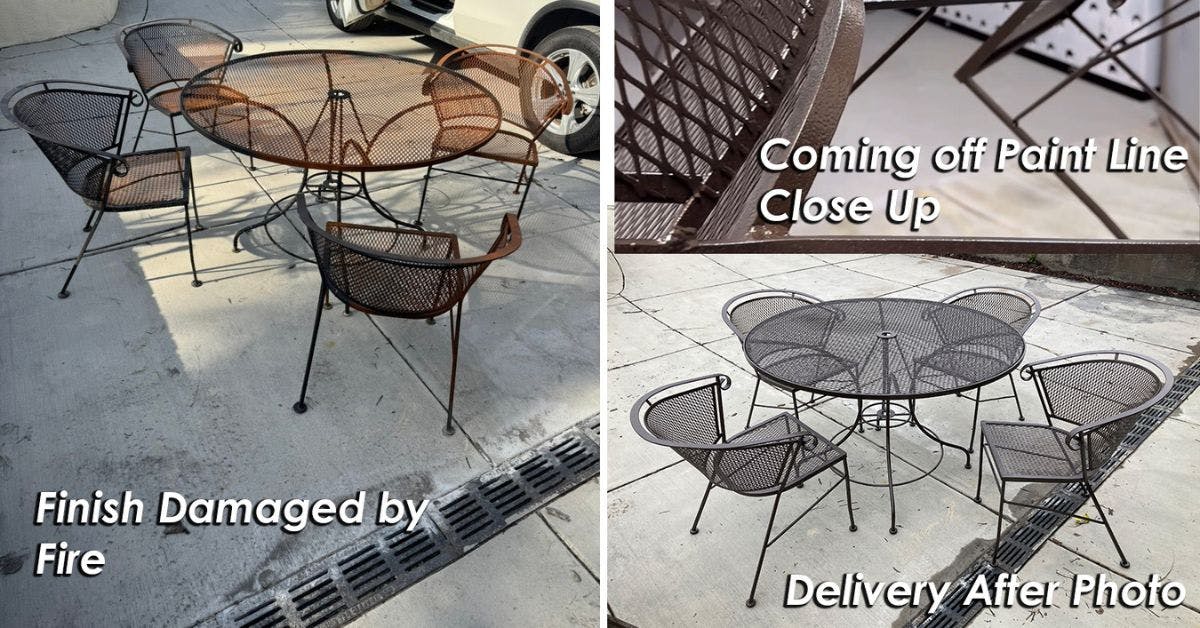
Outdoor spaces can showcase style, comfort, and attention to detail. Whether you’re a homeowner looking to create a luxurious patio or a hotel manager striving to create outside retreats for guests, the furniture’s condition is pivotal to the experience.
Even the finest outdoor furniture succumbs to excessive sun exposure, humidity, rain, and general wear and tear. When that happens, do you restore or refinish the furniture?
While people commonly interchange these terms, they are distinct processes. Learn about outdoor furniture restoration versus refinishing, each method’s advantages, and how each one can maintain furniture that exudes style, quality, and functionality.
What Is Restoration?
At its core, furniture restoration brings outdoor pieces back to their original—or closer to original—condition. This process strives to maintain the design and integrity of the original furniture and typically involves cleaning, repairing worn parts, and replacing broken components.
Structural Repairs
If you have wobbly chair legs or bent table frames, the restoration will address these foundational issues. For wooden pieces, this process includes filling cracks, tightening joints, and replacing broken pieces with matching materials. Metal furniture may require welding or patching corroded areas.
Thorough Cleaning
Years of grime or moss accumulation can make exquisite furniture look shabby. Restoration professionals use methods tailored to the material, such as gentle sanding for wood or power washing for metal and synthetic resin pieces.
Preserve Original Finishes
Restoration aims to retain the original look of the furniture whenever possible. If you treasure the natural weathered teak on an outdoor dining set or the patina developed on wrought iron benches, restoration retains these unique characteristics.
Component Replacements
Hotels or upscale apartment complexes frequently feature furniture with cushions and fabric accents. Restoration may involve replacing faded or moldy fabric with high-quality, durable outdoor textiles that reimagine the original style.
When To Select Furniture Restoration
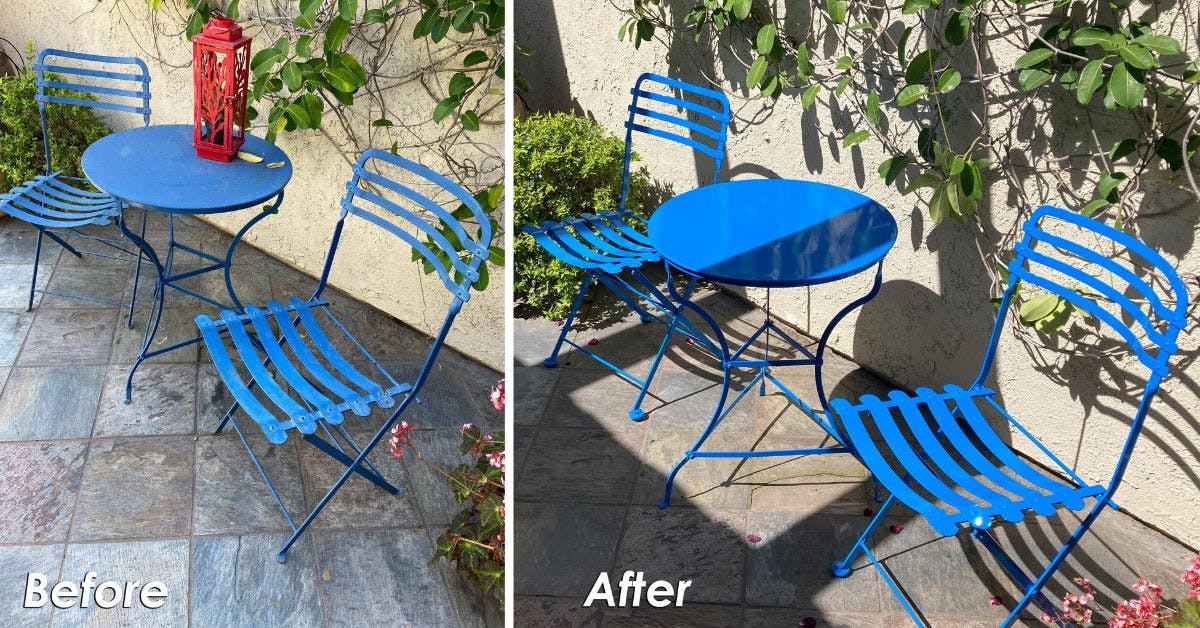
Restoration is ideal when your furniture holds sentimental value, classically timeless aesthetics, or historical significance. High-quality pieces, especially vintage or designer creations, deserve the care that restoration offers. It’s also a sustainable choice that reduces waste while reviving beauty.
For example, a boutique hotel might restore a set of outdoor loungers that have been a fixture by the pool for years. The process will keep their unique mid-century charm intact while ensuring guests experience top-tier comfort.
Choosing restoration allows you to leverage the benefits of this process being cost-effective, particularly for solidly constructed or high-end furniture, as it reaps the full value of your original investment without needing to replace pieces entirely. However, not every piece requires full restoration.
What Is Refinishing?
Refinishing is the process of altering or renewing the surface of a piece to make it look new or better suited to a desired aesthetic. While restoration emphasizes maintaining the piece’s historical integrity, refinishing leans into new elements and customizations.
Surface Renewal
Surface renewal is popular for wooden pieces prone to fading and weathering from the sun. It entails applying a new finish after stripping away the existing paint, stain, or lacquer.
Color Changes
Refinishing allows for reinvention. If the sunny orange cushions or natural cedar tones of the furniture no longer align with modern design sensibilities, refinishing can shift the furniture’s tone entirely.
Protective Coatings
After refinishing comes the application of a protective layer to shield the piece against outdoor elements. UV-resistant finishes, waterproof stains for wood, or durable powder coatings for metal materials are frequent refinishing choices that enhance the furniture’s appearance and durability.
Custom Detailing
For luxury properties, refinishing is the perfect opportunity to add custom touches. Feel free to turn a weathered outdoor dining set into a sleek, polished focal piece that complements your high-end decor!
When To Choose Furniture Refinishing
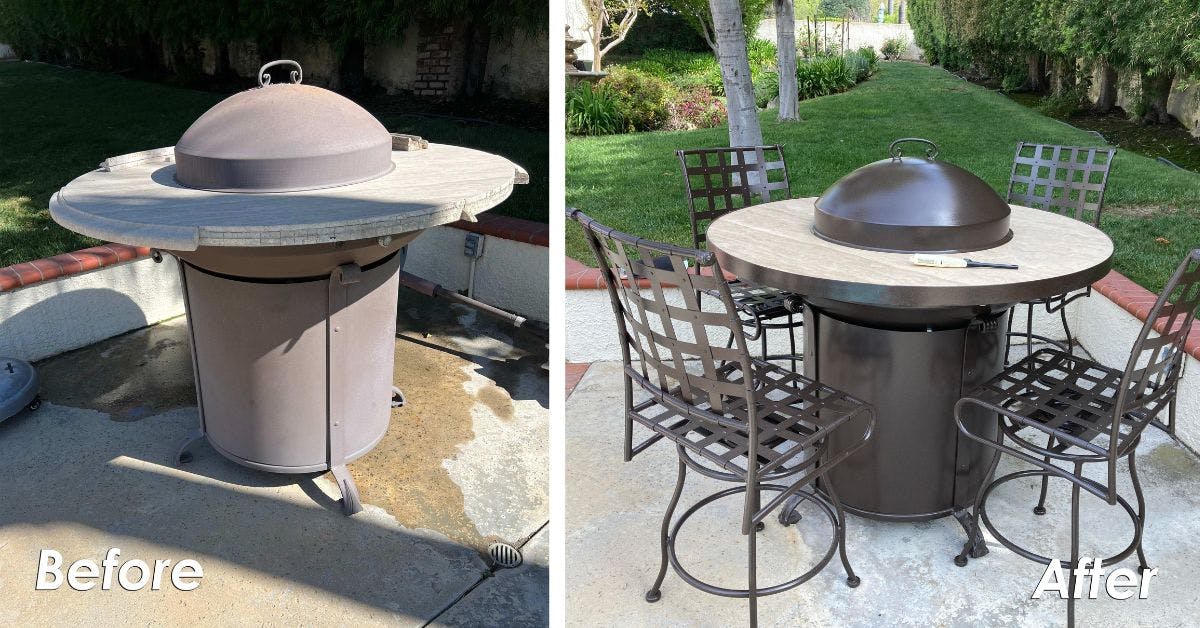
Refinishing is ideal when furniture’s underlying structure is intact, but its aesthetic appeal has faded. If you’re renovating a boutique hotel courtyard or updating the look of a luxury home patio, refinishing can help your outdoor sets align with fresh design goals.
For instance, you can transform furniture with peeling paint or sun-bleached colors with a modern finish. With refinishing, you can make a group of mismatched pieces in a shared apartment outdoor lounge more cohesive with unified colors or textures. You can do it all without the steep costs associated with replacing upscale outdoor sets.
Which Option Is Best For Your Furniture Pieces?
Condition
If the furniture has deep structural issues—broken legs, significant rust, or completely tattered components—restoration is the answer. If the pieces are mostly sound but faded or slightly worn, refinishing may suffice.
Purpose and Aesthetic Goals
Restoration is a practical solution for those who admire the authentic, original look of their outdoor sets. If you want to maintain the furniture’s heritage without modernizing it, go for restoration. But if you want a fresh design, cohesive style, or something that makes a bold statement, refinishing will deliver.
Budget Considerations
Restoration is typically more expensive than refinishing, especially when the project requires extensive repairs or material replacements. Consider your budget if you lean toward complete refurbishment.
Usage Context
Hotel and property managers seeking coordinated themes between spaces may find refinishing more versatile. Homeowners with heirloom-quality furniture may prioritize restoration to preserve uniqueness.
Picture a luxury apartment rooftop deck with a mix of worn teak chairs and aluminum-framed tables. The teak furniture could benefit from restoration to preserve its rich natural tones. Aluminum frames, on the other hand, may need refinishing to introduce a polished, sleek aesthetic in line with modern outdoor trends.
For homeowners, the choice may depend on whether you’re preserving cherished legacy pieces for the patio or reimagining an outdoor space with updated furniture. For hotel or apartment managers, understanding when to restore versus refinish could mean the difference between staying trendy and neglecting guest impressions.
Make the Choice That Aligns With Your Goals
Both restoration and refinishing are beneficial methods for revitalizing outdoor furniture. Restoration emphasizes care, history, and preservation by salvaging beautiful pieces with structural needs, while refinishing offers an opportunity to transform and modernize excellent furniture that requires a fresh look.
Whether you choose outdoor furniture restoration or refinishing, investing in the upkeep of premium outdoor furniture is always worthwhile. High-end teak loungers, bespoke wrought iron tables, and elegant resin chairs deserve to look as impeccable as the spaces they’re designed for.
A premier provider of furniture restoration, repair, refinishing, and replacement services can help you transform furniture pieces, cushions, and any other components into refreshed, beautiful, usable, and comfortable items.
At CFR Patio, our team of dedicated, expert patio furniture refinishers in Los Angeles have incomparable knowledge and take unparalleled care of furniture from elite brands such as Brown Jordan, Homecrest, O.W. Lee, and Tropitone. We know that these brands—renowned for their quality, durability, and luxurious style—elevate the attractiveness and atmosphere of outdoor spaces.
We provide restoration and refinishing that will bring your pieces to a state of elegance and longevity. Through these processes and our team’s expertise, you’ll receive outdoor furniture that sustains its appearance, style, functionality, and comfort.