
Powder Coating vs. Spray Paint for Patio Furniture
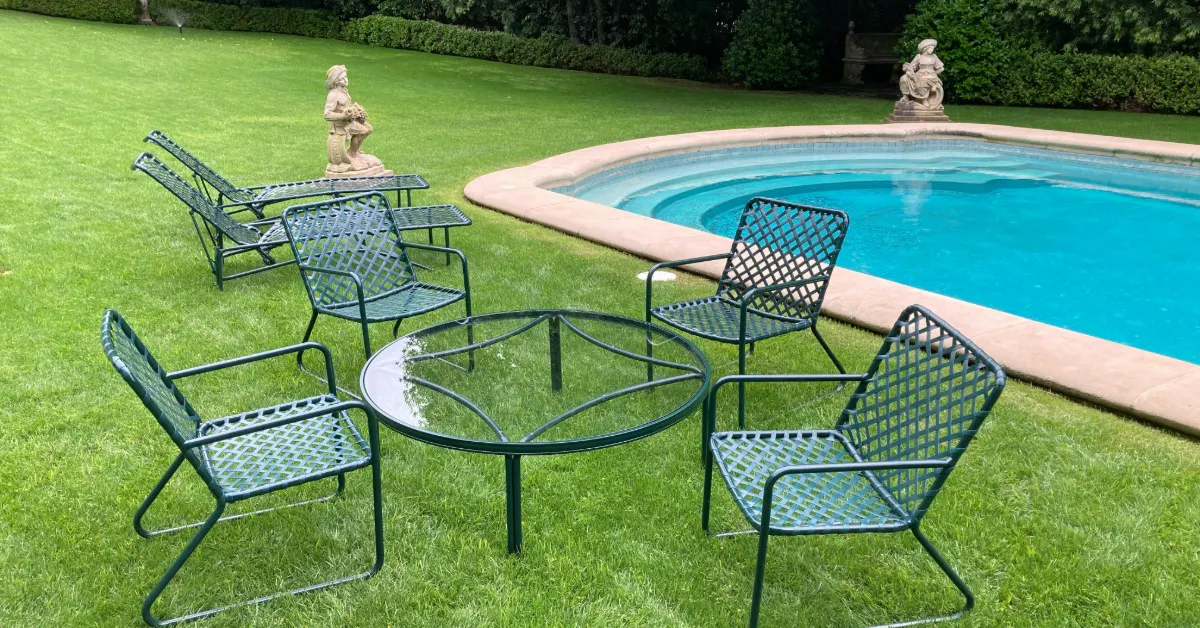
Choosing the right finish for outdoor furniture affects both its appearance and long-term value. Many property owners invest in quality patio pieces from respected brands and want a refinishing method that protects that investment. When evaluating powder coating vs. spray paint for patio furniture, it is important to understand how each process performs under daily outdoor exposure and regular use. While both options can improve the look of aging furniture, they differ significantly in how they are prepared, how they look after application, and how well they hold up over time.
Understanding Powder Coating
Powder coating is a refinishing process that uses electrically charged powder particles applied to a metal surface. The coated furniture then enters a curing oven, where heat bonds the finish to the metal. This process creates a smooth, durable coating that becomes part of the furniture rather than simply sitting on the surface.
Many high-end outdoor furniture manufacturers originally use powder coating because of its strength and consistency. The finish resists peeling, fading, and surface damage better than many traditional coatings. When completed correctly, powder coating can restore older furniture to a condition that closely resembles its original appearance.
Professional restoration companies typically disassemble furniture before powder coating begins. They remove worn finishes, address corrosion, replace damaged hardware, and prepare every surface for coating. This detailed preparation helps create a long-lasting result that supports the performance of the new finish.
Understanding Spray Paint
Spray paint provides a more accessible refinishing option for outdoor furniture. The process involves applying liquid paint from an aerosol can or spray system directly onto the furniture frame. Many homeowners choose spray paint because it requires less equipment and they can complete the project without professional facilities.
Modern spray paint products have improved over the years and can provide attractive results when applied correctly. A fresh coat of paint can quickly update furniture that looks worn or outdated. For smaller projects or temporary improvements, spray paint often appears to be a practical solution.
However, spray paint remains a surface coating that does not bond to metal in the same way as powder coating. Even with careful preparation, painted surfaces often show wear more quickly when exposed to constant outdoor conditions. Areas that receive frequent contact may develop scratches or chips over time.
Comparing Durability
Durability is often the deciding factor when choosing between these refinishing methods. Outdoor furniture faces intense sunlight, changing temperatures, moisture, and frequent use. Any finish applied to the frame must withstand these challenges throughout the year.
Powder coating generally offers superior durability because the cured finish forms a hard protective layer around the metal. This coating helps reduce the likelihood of cracking, chipping, or peeling. Furniture located near pools, community spaces, or commercial properties often benefits from this added protection.
Spray paint can provide short-term improvement, but the finish usually experiences wear more quickly. Scratches may expose underlying metal, which can eventually lead to corrosion. As the finish ages, touch-ups may become necessary to maintain the furniture’s appearance.
For owners of premium outdoor furniture, durability often outweighs the initial convenience of spray paint. A stronger finish can help extend the useful life of furniture and reduce future restoration needs.
Appearance and Finish Quality
The appearance of refinished furniture plays a major role in customer satisfaction. Outdoor furniture often serves as a focal point for patios, pool areas, and hospitality spaces. A uniform finish contributes significantly to the overall presentation of these environments.
Powder coating typically produces a smooth and consistent appearance across the entire frame. Because the coating cures evenly, it often eliminates many imperfections that can occur during traditional painting. The result looks refined and professional.
Spray paint can also create an attractive appearance when applied carefully. Still, achieving consistent coverage requires skill and attention to detail. Variations in application technique may create uneven areas, visible texture differences, or inconsistencies in sheen.
When restoring luxury outdoor furniture, maintaining the original look of the piece is often a priority. Powder coating frequently provides a closer match to the factory finish found on many premium brands.
Cost Considerations
Cost influences every restoration decision. At first glance, spray paint appears less expensive because materials are readily available and application requires fewer specialized resources. For furniture with limited value, a basic paint project may satisfy immediate needs.
Powder coating generally requires a greater initial investment. The process involves extensive preparation, specialized equipment, and professional application. These factors increase upfront costs compared with a simple paint job.
However, evaluating cost solely by the initial price can be misleading. A finish that lasts longer may provide greater value over time. If spray-painted furniture requires repeated refinishing, maintenance expenses can accumulate and eventually exceed the cost of a professional powder coating project.
Property managers and hospitality operators often evaluate total ownership costs instead of focusing only on the initial invoice. Homeowners with premium furniture frequently take the same approach when considering restoration options.
Maintenance Requirements
Maintenance expectations vary considerably between the two options. Powder-coated furniture typically requires routine cleaning and basic care to maintain its appearance. Because the finish is durable, extensive upkeep is usually unnecessary.
Spray-painted furniture often demands more attention as the coating ages. Chips, scratches, and worn areas may require periodic repairs to prevent further deterioration. Matching paint colors during touch-ups can also present challenges.
Reducing maintenance responsibilities is particularly valuable for commercial properties. Hotels, residential communities, and recreational facilities frequently choose durable restoration methods because they help minimize ongoing labor and maintenance expenses.
Which Option Makes the Most Sense?
The best choice depends on the condition of the furniture, the value of the pieces, and the owner’s long-term goals. Spray paint may serve as a reasonable option for inexpensive furniture or projects where longevity is not a primary concern.
Powder coating is usually the preferred solution for high-quality outdoor furniture that deserves professional restoration. The process provides stronger protection, a more refined appearance, and longer-lasting performance. These advantages often justify the higher initial investment.
Restore Outdoor Furniture With Confidence
Understanding powder coating vs. spray paint for patio furniture helps property owners make informed decisions about preserving valuable outdoor furnishings. For premium residential collections, hospitality properties, and commercial outdoor spaces, long-term performance often makes powder coating the preferred choice.
CFR Patio specializes in outdoor furniture restoration, including powder coat refinishing that restores furniture to a high standard while preserving its original character. Through detailed preparation and professional refinishing techniques, we help clients extend the life of their furniture and maintain the appearance of their outdoor spaces for years to come. Request a quote today to learn more!