
Custom Cushions: Foam vs. Polyester Padding
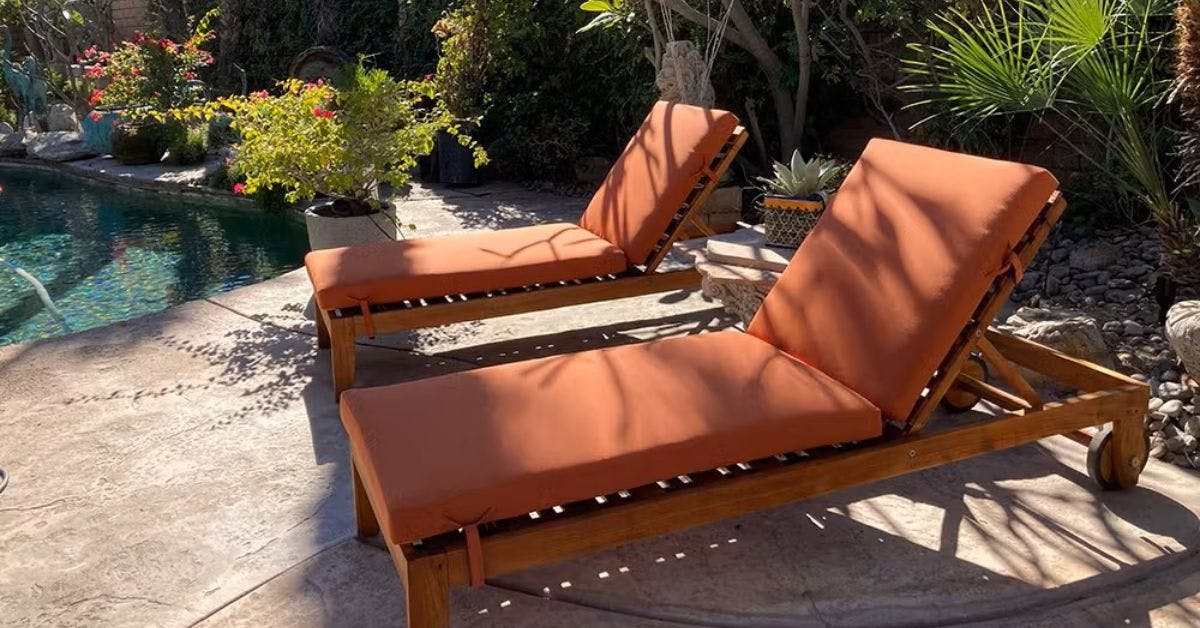
When it comes to custom cushions, selecting the right type of padding can profoundly influence how comfortable, durable, and functional your seating becomes. Foam and polyester padding are two popular choices, each offering benefits and drawbacks depending on their intended use.
While foam provides structure and longevity, polyester excels in softness and affordability. With this comprehensive comparison of foam versus polyester padding for custom cushions, you can make the best decision on how to leverage these materials’ unique properties.
What Is Foam Padding?
Foam is a versatile material known for its firmness, resilience, and ability to maintain shape over time. Various types of foam exist, ranging from basic open-cell foam to highly durable closed-cell and memory foams.
Significant components that characterize these materials include their density and compression rates, both of which affect how they perform under pressure. They come with several key advantages.
Support and Durability
Foamhas a highly regarded ability to provide firm, consistent support. High-density foam is resistant to sagging, making it ideal for cushions designed for heavy or frequent use. For example, seat cushions in outdoor dining setups benefit from the structural integrity that foam offers.
Customizability
You can tailor foam to your specific needs by controlling its density and thickness. Closed-cell varieties, for instance, are highly durable and water-resistant, making them an excellent option for outdoor furniture exposed to the elements. Additionally,foam cushionslend themselves tobeingcut into virtually any shape, allowing for precision in fitting unusual or custom forms.
Long-Lasting Performance
Unlike many other materials, foam retains its shape and firmness for extended periods. This durability translates to fewer replacements and lower maintenance costs over time.
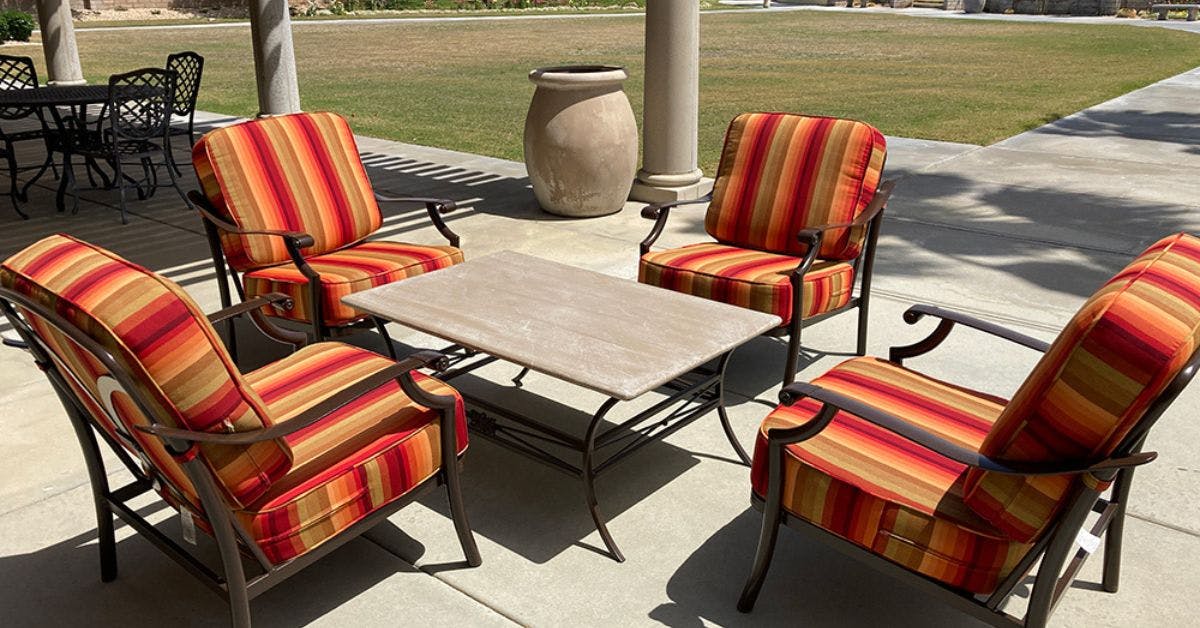
Possible Drawbacks of Foam Padding To Factor In
Foam cushions are generally more expensive than polyester alternatives, especially whenchoosinghigher-end options like memory foam or high-density closed-cell foam.
Some types of foam, especially open-cell varieties, can absorb moisture if not properly protected. Without water-resistant coverings, foam cushions may be prone to mold or mildew in outdoor settings.Still, closed-cell foam offers an effective solution for these scenarios.
Furthermore, new foam cushions can sometimes feel firm or rigid. While this rigidity softens slightly over time, it might not immediately provide the plush feel some users prefer.
What Is Polyester Padding?
Polyester padding, often called fiberfill, utilizes synthetic fibers to create a soft and fluffy cushioning effect. This material is common in decorative cushions, throw pillows, and back cushions to achieve a cozy and inviting appearance.Polyester padding boasts the following benefits.
Softness and Comfort
The primary appeal of polyester padding lies in its light, fluffy consistency. Polyester cushions create a relaxed, less-structured feel, making them perfect for lounging areas or decorative complements.
Affordable and Lightweight
Polyester is highly cost-effective when compared to foam. Its lightweight nature also makes cushions easier to move, clean, or rearrange, which can be helpful for frequently shifted or restyled seating.
Low Maintenance
Polyester fiberfill is less susceptible to mold and mildew than certain types of foam padding. While it may not repel water entirely, it tends to dry quickly, requiring minimal maintenance in indoor settings.
Visual Aesthetics
Because of its fluffiness, polyester creates a plump, inviting look for cushions. Thisproperty makes this materiala popular choicefor designs that prioritize volume and visual appeal.
Potential Problems WithPolyester Padding
Polyester padding lacks the firmness and structure necessary for prolonged seating. Over time, it tends to compress and lose its volume, which can compromise comfort.
Additionally,cushions using polyester padding typically wear out more quickly than foam. Frequent fluffing and replacement are oftennecessaryto keep cushions looking full and comfortable.
While polyester doesn’t absorb water as readily as some foams, it’s not as resilient in harsh weather conditions. It may flatten or deteriorate faster when exposed to heavy rain or direct sunlight over long periods.

FoamPadding Compared toPolyester Padding
Understanding foam versus polyester padding for custom cushions across various criteria is key to choosing the right option for your custom cushions. Look into the following aspects.
Comfort and Feel
Foam generally offers firm support, making it a great choice for seating areas that require structure, such as benches or dining chairs. Polyester, on the other hand, is softer and better suited for back support or decorative accessories where plushness is a priority.
If your goal is to create a cozy living room couch with a soft, welcoming look, polyester may fit the bill. For patio furniture on which guests will sit upright for meals or gatherings, foam might be the superior option.
Durability
Foam has a distinct edge in longevity. High-density foam cushions can maintain their structure and support for many years, even with daily use. Polyester, however, compresses over time and will require regular maintenance or replacement to stay functional.
For this reason, polyester remains attractive for low-use settings or accents. But for furniture used heavily, foam ensures your investment won’t deteriorate as quickly.
Weather Resistance
Polyester padding performs adequately in controlled indoor environments but falls short in extreme weather conditions. Foam, especially closed-cell varieties, can better withstand prolonged exposure to moisture and fluctuating temperatures. For this reason, foam is the safer bet for outdoor applications like patio seating, while Polyester cushions better suit covered areas or indoor use only.
Cost Efficiency
Polyester cushions cost less upfront, making them a budget-friendly option for homeowners or decorators working on tighter constraints. Foam generally commands a higher price point due to its adaptability and durability.
If you’re outfitting temporary furniture or redesigning for seasonal trends, polyester may save money. But for long-term fixtures like built-in seating, foam is a more sustainable choice.
Aesthetic Appeal
Polyester cushions offer a fuller, fluffier look that works well for casual or decorative settings. Foam, while less voluminous, provides sleek, tailored lines that suit minimalist or modern designs.
Leave the creation of custom outdoor cushions in the hands of experts in crafting and restoring commercial outdoor furniture and accessories, such as CFR Patio. By doing so, you’re sure to get unique, beautiful cushions that maximize the benefits of either material you choose.
Our expert team members use their knowledge of patio furniture restoration techniques and stylish design. We can provide polyester cushions that create visual warmth in spaces where cushions serve as decorative accents. We can also provide foam cushions with clean, sophisticated designs that emphasize structure if you prefer foam.
Make the Superior Selection for Your Needs
Choosing between foam and polyester padding ultimately depends on your priorities. Foam cushions have unmatched durability, firmness, and long-term investment, particularly in functional seating. Polyester, on the other hand, excels in softness, visual appeal, and affordability, making it a smart choice for lightweight or decorative purposes.
When making your decision, consider the intended use, environment, and budget. While foam might be pricier, its resilience justifies the cost for furniture requiring durability and support. Polyester, with its inviting feel and affordability, suits accents and lightly used items.
Custom cushions can elevate your furniture experience, and selecting the right padding ensures your seating remains as functional and comfortable as it is beautiful. A balance of aesthetics, function, and practicality will guide you to the option that best fits your specific needs.