
How To Choose the Right Commercial Patio Furniture
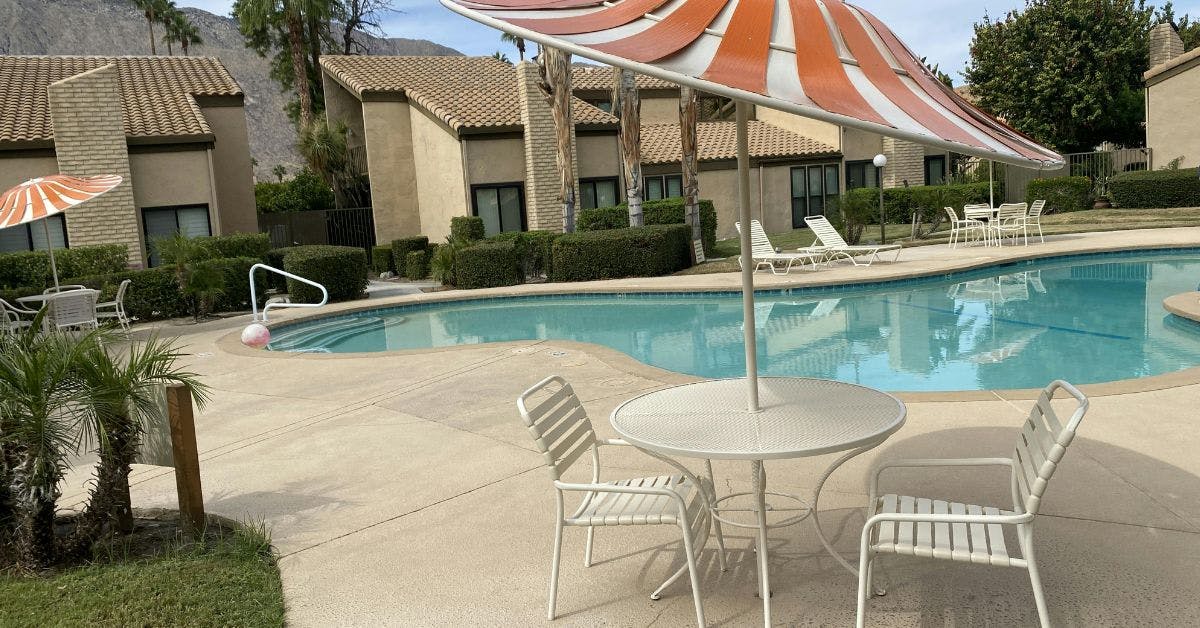
Selecting commercial patio furniture is a critical decision for businesses looking to create or revitalize inviting outdoor spaces. Whether you’re furnishing a restaurant patio, a hotel courtyard, or an office rooftop lounge, the choices you make impact functionality, aesthetics, and customer satisfaction.
Balancing durability, design, comfort, and budget can seem daunting, but with the right approach, it becomes manageable. With this guide on how to choose the right commercial patio furniture, you’ll be ready to select ideal pieces that suit your business setting.
Consider Durability First
Outdoor furniture must withstand various elements, like rain, wind, UV rays, and extreme temperatures. The materials you choose can promise greater longevity and thus require careful consideration.
Metal
Aluminum and steel are popular choices for commercial patio furniture due to their strength and resilience. Aluminum is lightweight, rust-resistant, and easy to maintain, making it perfect for humid or coastal areas. Steel, especially when powder-coated, offers incredible durability and suits areas with high traffic but less exposure to salty air.
Wood
Teak is a go-to option for outdoor furniture. Its natural oils make it resistant to water and pests, though it will require periodic maintenance to prevent weathering. Hardwoods like eucalyptus are budget-friendly alternatives, but they may not match teak’s longevity.
Synthetic Materials
Resin, plastic, and synthetic wicker are excellent for businesses that prioritize low-maintenance furniture. These materials resist fading, cracking, or peeling, even under heavy sun or rain exposure. Additionally, they come in a variety of styles and finishes.
When choosing materials for outdoor furniture, consider the climate of your location. An upscale rooftop bar in Miami may benefit from rust-resistant aluminum, while a ski lodge in Colorado might prioritize dense, weather-sealed wood.
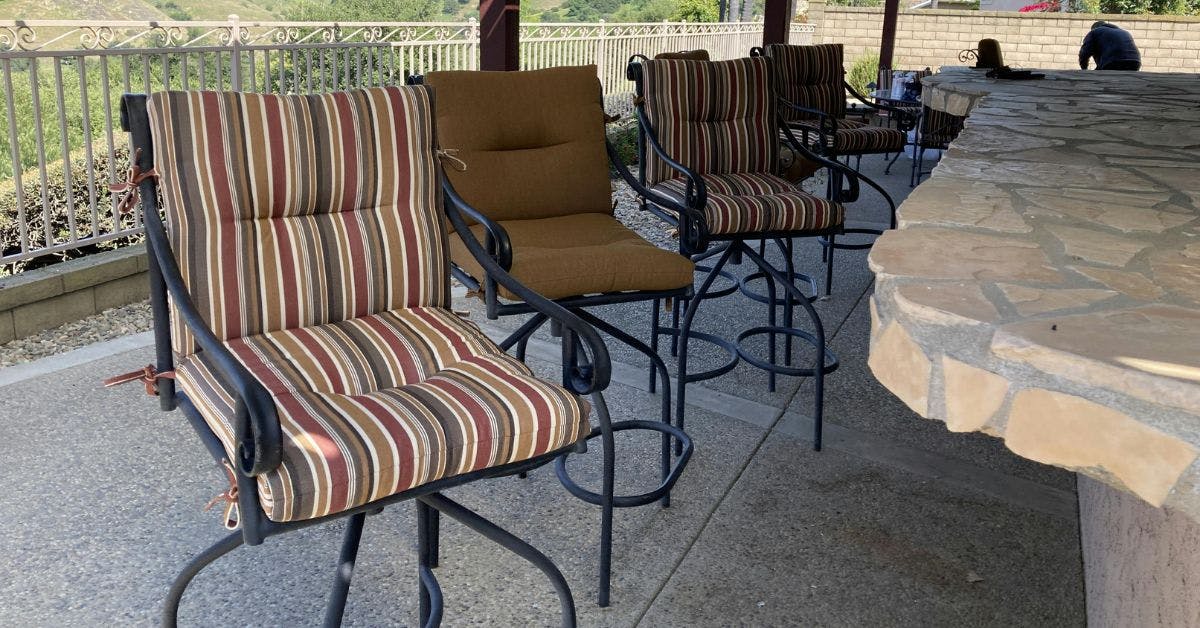
Align It With Your Business’s Aesthetic
Your patio furniture should complement your business’s branding and decor. For instance, modern furniture with clean lines and minimalist colors aligns well with corporate office settings, while rustic wood furniture may better suit country-style inns or farm-to-table restaurants.
Color and Finish
Go for neutral tones like black, gray, or white for versatility. Use cushions or accent pieces in your brand colors for a touch of style. Be cautious with trends, keeping in mind that timeless designs are often better choices for high-investment purchases.
Style Variations
Furniture with mix-and-match options caters to different customer needs. For example, a hotel might mix sectional seating for groups and smaller two-person tables to create a diversified setup.
Custom Branding
Some commercial patio furniture pieces lend themselves to customization with logos or brand-specific colors. Customizing your furniture can enhance your business’s visibility and reinforce its identity.
Comfort Is Key
Comfortable seating makes guests stay longer and enjoy their experience more thoroughly, so cushioning, ergonomics, and spacing are critical.
Cushions and Upholstery
Weather-resistant cushions filled with quick-dry foam provide comfort and durability. Look for covers made from solution-dyed acrylic fabrics, which resist fading, mold, and mildew from weather exposure.
Ergonomics
Chairs with curved backs, armrests, and adequate seat height offer greater comfort. When prioritizing comfort, avoid furniture that values style over usability, like ultra-low or overly angular designs that customers may find awkward.
Spacing
Never underestimate how much room your seating arrangements offer stakeholders when planning. Guests appreciate tables and chairs that have adequate space between and around them, offering comfort while maintaining an inviting atmosphere.
Factor in Functionality and Maintenance
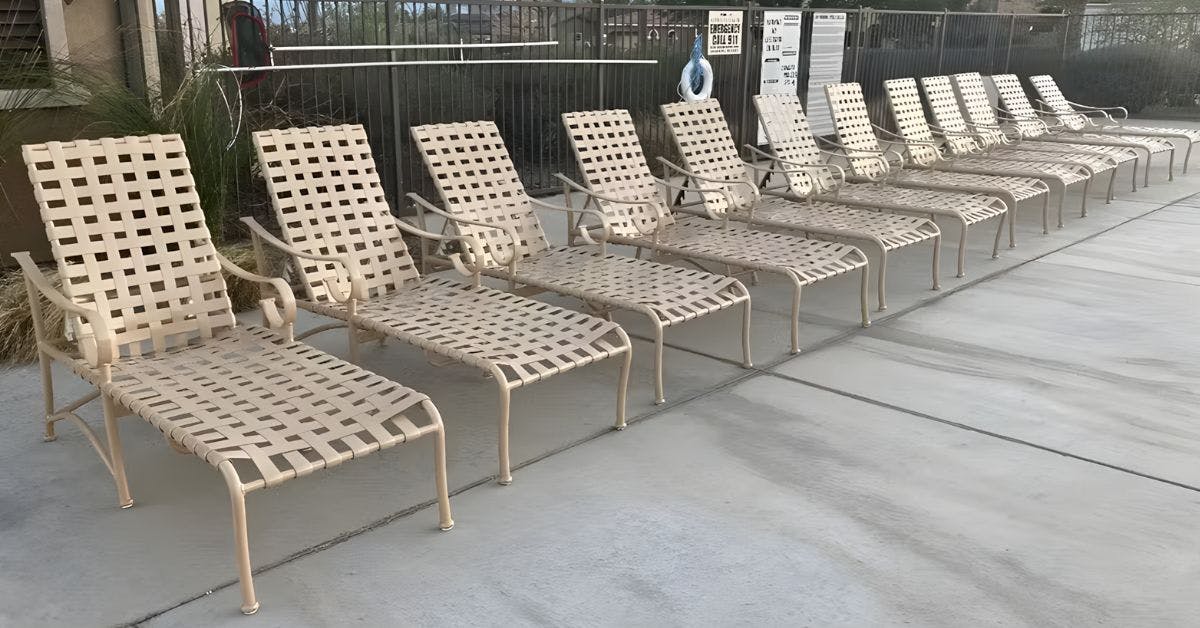
Every business has unique needs when it comes to outdoor furniture. A bustling café, for instance, may require stackable chairs for quick and easy storage. Meanwhile, a hotel pool area might need loungers that can withstand being frequently repositioned.
Portability
Lightweight furniture is easier to move and rearrange, making it ideal for venues requiring flexible layouts. If your outdoor area doubles as an event space, this level of adaptability benefits staff and guests.
Maintenance Needs
The right choice minimizes the time and cost of upkeep. Furniture made with powder-coated metals, all-weather resin, or teak requires only occasional cleaning to maintain its appearance. Avoid untreated wood or poor-quality wicker that may degrade quickly, as these materials demand frequent replacements.
Also, regularly inspect furniture straps, especially on loungers and chairs, as wear and tear can compromise appearance and comfort over time. When it’s time for vinyl strap replacements for patio furniture, be sure to invest in professional services.
Look no further than CFR Patio for your commercial patio furniture needs. Our expert team members provide thorough re-strapping services. We understand vinyl strap composition and how sunlight and environmental conditions impact these features.
Consulting with us gives you access to specialized services in which we implement new vinyl straps with UV inhibitors. Further, we help you enhance your chairs’ and straps’ aesthetic appeal with discoloration-resistant powder coating, lacing, and cording available in several colors.
Keep Safety in Mind
Safety is a critical component when furnishing a commercial outdoor space. Prioritizing it protects guests and shields your business from liability.
Weight and Stability
Furniture should be heavy enough to stay in place during windy conditions and stable enough to avoid tipping over. For open areas exposed to high winds, weighted bases on umbrellas and tables will keep these pieces upright.
Rounded Edges
Pieces with rounded edges and smooth finishes can prevent accidents. You’ll find this style of furniture especially handy if children frequently visit your establishment.
Fire-Resistant Materials
Consider nonflammable materials or those treated with fire-resistant coatings, especially if your business is in a fire-prone area or if your business incorporates fire pits or heating elements.
Budget Without Compromising Quality
Quality commercial-grade furniture can sometimes carry a higher price tag, but view it as an investment. Skimping on materials or artisanship often means spending more on replacements or repairs in the long run. To get the best return on investment, consider the following tips:
- Purchase furniture in bulk to negotiate discounts.
- Research financing or leasing options if upfront costs feel prohibitive.
- Choose warranties or service contracts that cover potential issues, particularly in high-use environments.
Evaluate Vendor Reputation and Warranty
Selecting the right supplier is as important as choosing the furniture itself. Look for vendors specializing in commercial-grade furniture rather than residential-grade, which may not withstand the same level of wear and tear. During your search, ask about manufacturing processes and materials to understand exactly what you’re paying for.
Also, review the warranty’s details, including the coverage period and conditions. From there, seek out vendors known for responsive customer support to address post-purchase issues swiftly.
Pick Pieces That Suit Your Property Today
Choosing the right commercial patio furniture involves balancing utility, appearance, comfort, and budget. When approached thoughtfully, these choices enhance an outdoor space and contribute to customer satisfaction and loyalty. Consider factors like durability, aesthetic alignment, and maintenance needs to create an outdoor setting that serves your business now and in the future.