
How To Measure Patio Furniture for Vinyl Straps
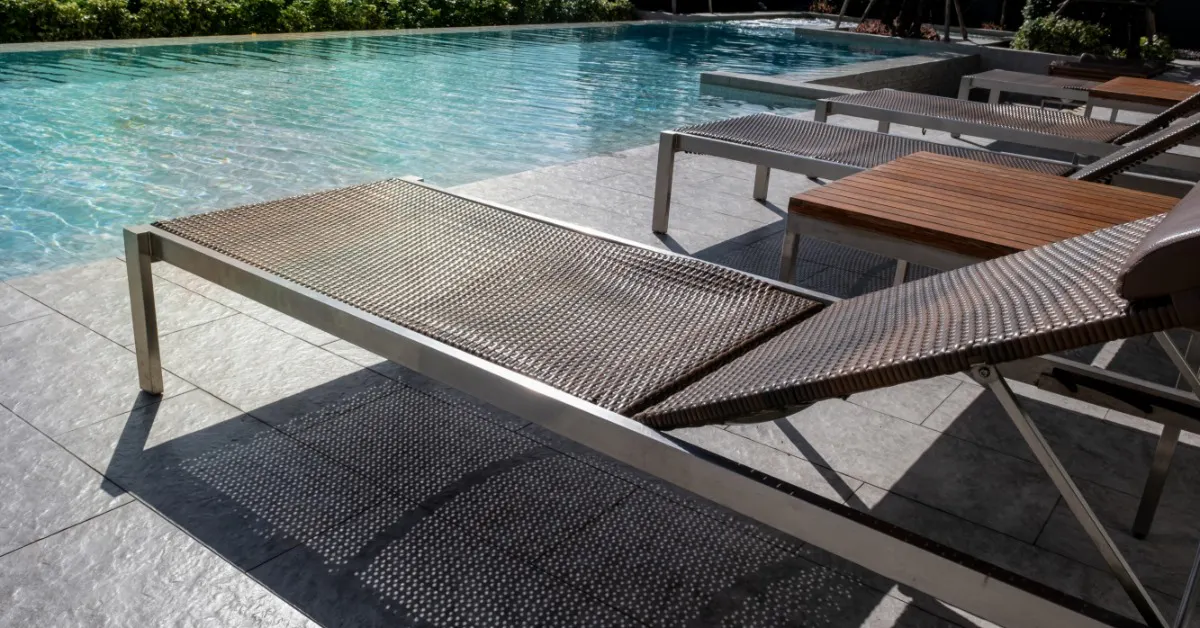
If your outdoor seating looks tired but the frame still feels solid, new vinyl straps can bring it back to life. Understanding how to measure patio furniture for vinyl straps correctly makes the difference between a professional restoration and one that sags or pulls unevenly. Accurate measurements protect frame integrity, preserve comfort, and ensure straps fit tightly for years.
Many high-end brands build furniture on durable aluminum frames that outlast original strapping by decades. Rather than replacing quality pieces, proper measurement extends their lifespan while maintaining the original design. With a methodical approach, you can gather the exact dimensions for a precise fit.
Why Accurate Measurements Matter
Vinyl straps stretch when heated and contract as they cool. Measuring incorrectly can cause straps to sag prematurely, pull too tightly, or place uneven tension on the frame. That tension can warp aluminum rails or cause fasteners to fail prematurely.
Aside from structural concerns, precise measurements preserve comfort. Seat depth, back support, and weight distribution depend on strap placement and spacing. Correctly aligned straps distribute weight evenly and prevent uncomfortable pressure points. Proper measuring also prevents wasted materials. Since vinyl straps are cut to size, ordering incorrect lengths delays projects and increases costs.
Identify the Strap Pattern First
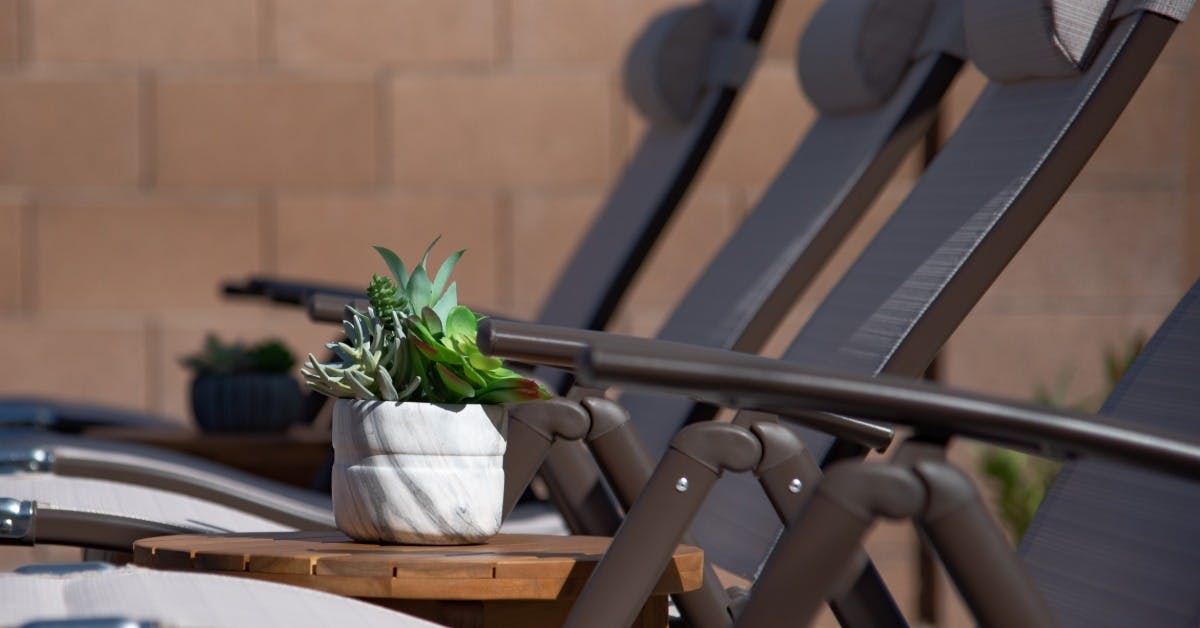
Study the strap layout before measuring. Most vinyl strap furniture uses either a single-wrap strap that attaches to both ends or a double-wrap strap that loops around the rail and fastens with rivets or clips.
Examine how straps run across the seat and back. Some designs feature horizontal seat straps with vertical back straps, while others use a woven basketweave pattern. Strap direction affects length calculations, so identifying the pattern prevents confusion and helps you count accurately.
Measure the Seat Frame Correctly
Start with the seat. If possible, remove one existing strap to measure without tension. If the strap has broken, measure directly across the frame where it was attached. For single-wrap straps, measure from the center of one mounting hole to the center of the opposite hole. This reflects the true anchor-to-anchor distance. Measuring from frame edges often adds unnecessary length.
Double-wrap straps require additional consideration. Measure across the frame, then account for the wrap around both rails. The strap travels around the tubing before fastening. Failing to include that wrap length results in straps that feel too short. Be sure to write down each measurement immediately.
Measure the Back Section Separately
Seat and back measurements often differ. Back rails sometimes angle backward, slightly increasing strap length. Never assume the back uses the same dimensions as the seat. Follow the same method: measure center to center between mounting points. For vertical straps, measure from the top rail to the lower attachment point. If back straps weave through seat straps, measure each direction independently, and note the layering pattern.
Account for Stretch and Tension
Vinyl straps require tension to remain supportive. Installers typically cut straps slightly shorter than the exact frame measurement. The reduction amount depends on vinyl gauge, frame dimensions, and climate.
Climate plays an important role. In warm environments, vinyl expands during installation and tightens as it cools. When measured accurately, straps settle into a firm, supportive surface. Never guess the reduction amount. Instead, consult a professional who understands how different vinyl gauges behave under tension.
Determine Strap Width and Thickness
Length alone doesn’t complete the measurement. Confirm strap width and thickness, as both affect appearance and performance. Most vinyl straps range between 1.5 and 3 inches wide. Measure an existing strap, or check rivet hole spacing. Installing wider straps than the frame crowds the surface, while narrower straps leave gaps. Thickness impacts durability, so commercial furniture often uses thicker straps. Match the original gauge to preserve appearance and performance.
Count the Total Number of Straps
Once you’ve measured each strap length, count how many straps run in each direction. Separate the seat count from the back count. Count horizontal seat straps, vertical seat straps if woven, horizontal back straps, and vertical back straps. This prevents shortages and ensures consistent spacing.
Inspect the Frame While Measuring
Measuring provides an opportunity to evaluate frame condition. Check for rust at rivet holes, loose welds, worn powder coating, or bent rails. High-end aluminum furniture often outlasts straps by many years. Many pieces maintain structural integrity long after vinyl deteriorates. Proper restoration can deliver five to eight additional years of use. Address corrosion or coating failure before installing new straps. Complete restoration that includes refinishing and hardware replacement keeps the finished product cohesive.
Document Everything Clearly
Clear documentation reduces errors. Create a diagram of the seat and back sections, then label each measurement. Note strap direction, width, attachment style, and quantity. Photograph each section before removing old straps. Images help replicate the original pattern and help professionals verify the furniture qualifies for refurbishment. Thorough documentation ensures reliable future reference.
Consider Professional Measurement for High-End Furniture

While many homeowners measure successfully, upscale or commercial furniture often benefits from professional evaluation. Designers, hotels, and community centers frequently rely on restoration specialists for precise results.
Professional services typically disassemble furniture, refinish the frame, replace hardware, and re-strap to original specifications. This approach maintains design integrity and often costs much less than purchasing new pieces. If your furniture holds brand value, sentimental value, or architectural significance, professional measurement protects that investment.
Extend the Life of Your Outdoor Furniture
You must know how to measure patio furniture for vinyl straps to successfully restore your outdoor seating. Careful measurements ensure proper tension, preserve comfort, and protect frames from stress.
Restoring quality outdoor furniture prevents premature replacement. Patio furniture strap replacement extends furniture life for years when you measure accurately and install them correctly. If you live in Southern California and want expert guidance, CFR Patio specializes in restoring premium outdoor brands. We cover everything from precise measuring to full refinishing and custom cushions.
Ready to bring your patio furniture back to life? Contact us to request a quote, and learn how professional restoration can save you up to 50 percent compared to buying new. Let our team help you protect your investment and enjoy your outdoor space again.