
Cushioned vs. Sling Patio Furniture: A Comparison
Choosing the right outdoor seating matters in commercial spaces. Hotels, apartment complexes, and pool lounges all need furniture that looks polished, feels comfortable, and holds up through constant use. In this comparison of cushioned versus sling patio furniture, you will see how these two popular styles perform in real-world settings.
Outdoor furniture shapes first impressions, supports guest comfort, and influences how people use shared spaces. Both cushioned and sling patio furniture offer strong benefits, but the best choice depends on your environment, your maintenance expectations, and the type of atmosphere you want to create.
Understanding Cushioned Patio Furniture
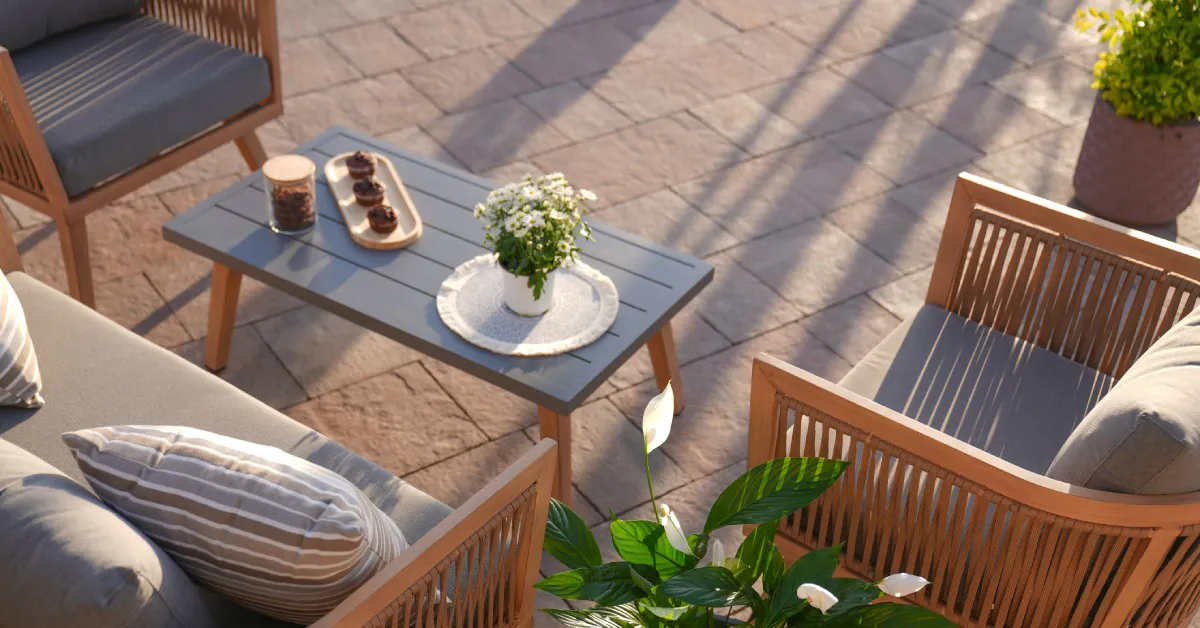
Cushioned patio furniture delivers a classic, upscale look that many guests associate with luxury outdoor spaces. Designers often choose cushioned seating in boutique hotels, resort patios, and high-end communal courtyards because it creates a warm and inviting atmosphere.
Comfort and Guest Experience
Cushions provide plush support, which encourages guests to relax longer. That extra comfort benefits hospitality settings, where outdoor seating is part of the overall guest experience.
Guests who spend time on a pool deck or in an outdoor lounge notice comfort immediately. Cushioned furniture helps properties create an environment that feels intentional, welcoming, and premium. Longer guest stays also translate into more use of amenities, dining, and social spaces.
Style and Customization Options
Cushioned furniture offers flexibility. Properties can refresh outdoor spaces simply by updating cushion colors or fabrics. This allows hotels and commercial properties to stay aligned with branding, design trends, or seasonal decor without purchasing new furniture frames.
Custom cushions also allow commercial spaces to create signature looks. A boutique hotel may want bold fabrics that stand out, while an apartment complex may prefer neutral tones that appeal to a wide range of residents.
Maintenance Needs for Cushions
Cushions require more ongoing care than sling seating. Commercial properties must plan for regular cleaning, proper storage during harsh weather, and fabric protection against UV exposure.
Sun, moisture, and heavy guest use can cause fading, mildew, or flattened padding. However, professional restoration services make cushion maintenance manageable and cost-effective over the long term. Instead of replacing entire furniture sets, properties can invest in patio furniture cushion replacement as needed while preserving the high-end frames underneath.
Understanding Sling Patio Furniture
Sling patio furniture uses durable fabric stretched tightly across a sturdy frame. Many commercial properties choose sling seating because it performs well in demanding outdoor environments. They have become especially popular in poolside and hospitality spaces where durability and efficiency matter most.
Built for Durability
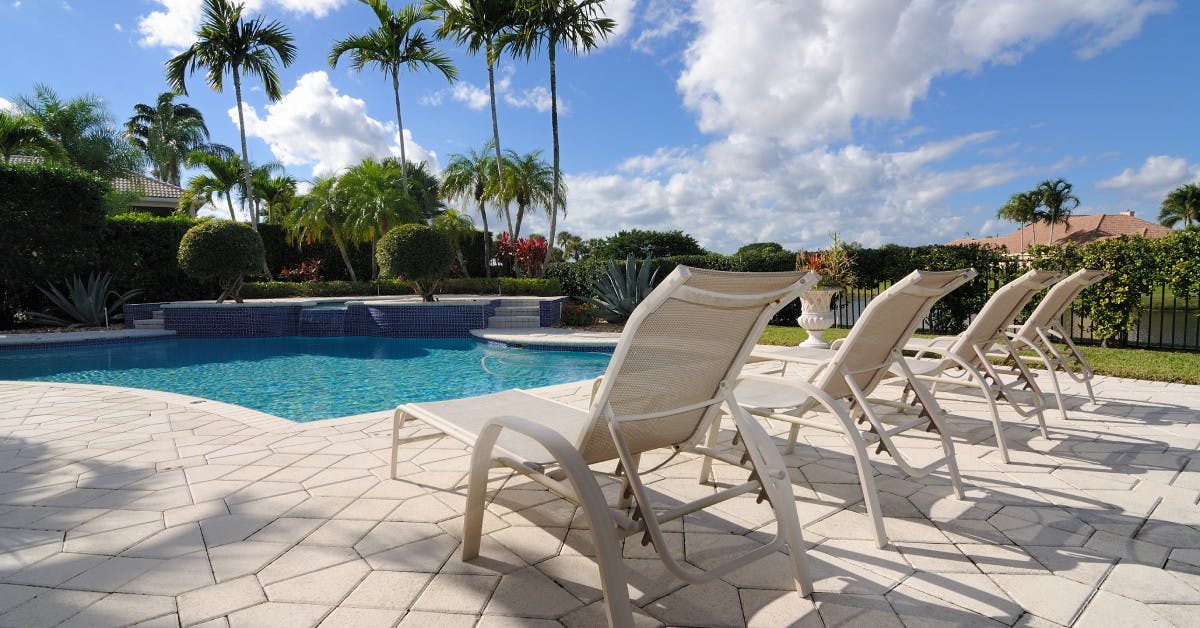
Sling furniture handles frequent guest turnover, heavy traffic, and constant exposure to sun and moisture. The fabric resists mildew and dries quickly, making it a strong option for poolside areas and humid climates.
Unlike cushions, sling seating does not absorb water as easily, which reduces downtime after rain or pool use. Guests can return to the space faster, and staff spend less time managing wet cushions. It also stands up well to frequent cleaning, which benefits properties with strict hygiene standards.
Sleek Appearance
Sling patio furniture delivers a clean, contemporary aesthetic. It works well in modern apartment communities, rooftop decks, and minimalist hospitality spaces where designers want sleek lines and uncluttered seating.
Sling styles often pair well with aluminum frames, which add to their lightweight and corrosion-resistant appeal. This combination supports long-term performance in outdoor environments.
Comfort Considerations
Sling seating provides supportive comfort, but it feels different from cushioned furniture. Guests experience a firmer surface with a slight flex, which some prefer in active, casual spaces. Sling seating may feel less plush than cushions, but it still offers ergonomic support that many guests find comfortable.
The Key Differences Between Cushioned and Sling Seating
Both furniture types meet commercial needs, but they serve different priorities. Property managers should evaluate how guests use the space and what level of upkeep fits their operations.
Here are the most important factors to consider:
- Comfort level and guest lounging expectations
- Maintenance requirements and cleaning frequency
- Weather exposure, especially in pool environments
- Design goals, from luxury softness to modern simplicity
- Long-term restoration options that extend furniture life
Cushioned seating creates a resort-style atmosphere, while sling seating offers low-maintenance performance in high-traffic areas.
Which Option Works Best?
The best choice depends on the setting and the experience you want to deliver. Commercial patios often serve multiple purposes, from relaxation to dining to community gathering.
Cushioned Furniture Works Well for Upscale Lounges
Hotels and boutique resorts often rely on cushioned seating to create outdoor spaces that feel like extensions of indoor luxury. Cushions encourage relaxation and support longer guest stays, which benefits hospitality environments.
Cushioned pieces also elevate rooftop lounges, courtyards, and premium dining patios where comfort matters as much as design. Guests expect softness in spaces designed for leisure. Properties that host events or cater to high-end clientele often see cushions as an essential part of their outdoor presentation.
Sling Furniture Fits High-Traffic Poolside Areas
Pool decks, apartment complexes, and busy communal spaces often require furniture that stays functional with minimal effort. Sling seating dries quickly, cleans easily, and holds up well under constant guest use.
Sling furniture also works well in areas where properties want a polished look without the added responsibility of cushion storage or fabric wear. Staff can maintain sling seating more efficiently, especially during peak seasons.
Many Properties Use Both Styles
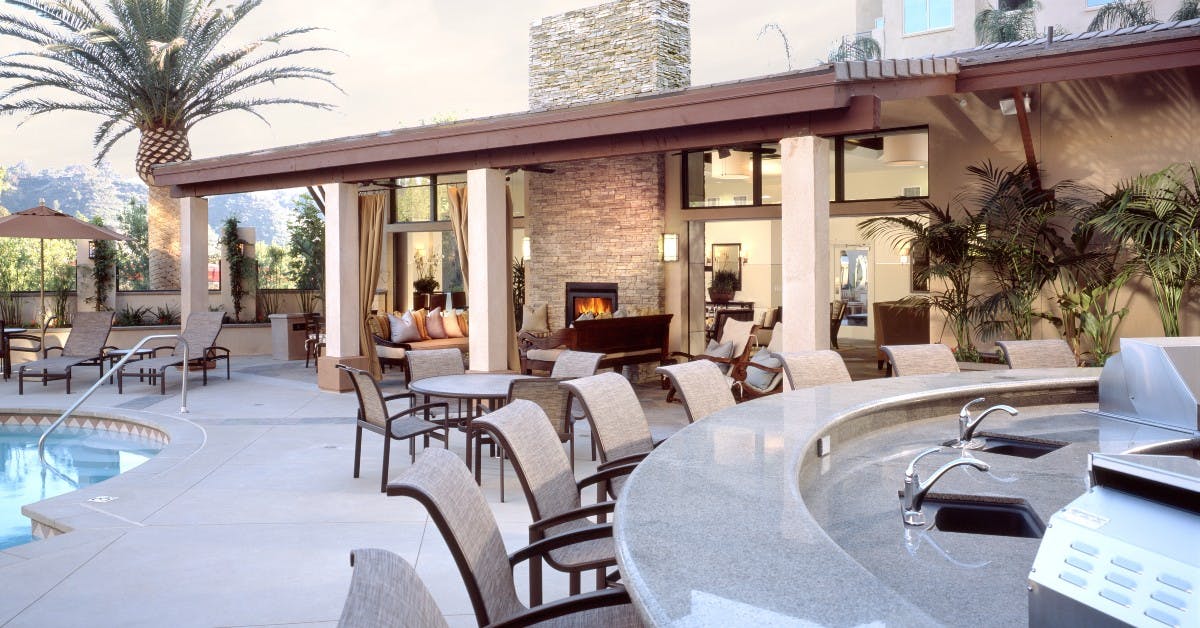
Outdoor patios rarely rely on just one seating type. Many properties mix cushioned and sling furniture to match different zones. For example, sling loungers near pools and cushioned seating in conversation areas create a balanced experience. Dining spaces may use sling chairs for easy cleaning, while lounge areas feature cushions for comfort. This approach allows properties to combine luxury, durability, and practicality across the entire outdoor environment.
Choosing the Right Furniture for Your Patio
Deciding between cushioned versus sling patio furniture impacts comfort, durability, and the overall look of your property. Cushioned furniture creates a plush, luxury experience, while sling furniture delivers streamlined durability for high-traffic outdoor environments. Either option can support an upscale outdoor space for years with professional restoration and consistent care.
The most successful patios consider guest comfort and long-term maintenance. Combining both furniture types can create an outdoor space that stays functional, attractive, and welcoming season after season.
If your hotel, apartment complex, or commercial patio space needs expert restoration, cushion updates, or sling repairs, professional service makes all the difference. Contact CFR Patio today to schedule a consultation, and keep your outdoor furniture looking its best for every guest season.