
What Is Sling Fabric Furniture & Why Is It Important?
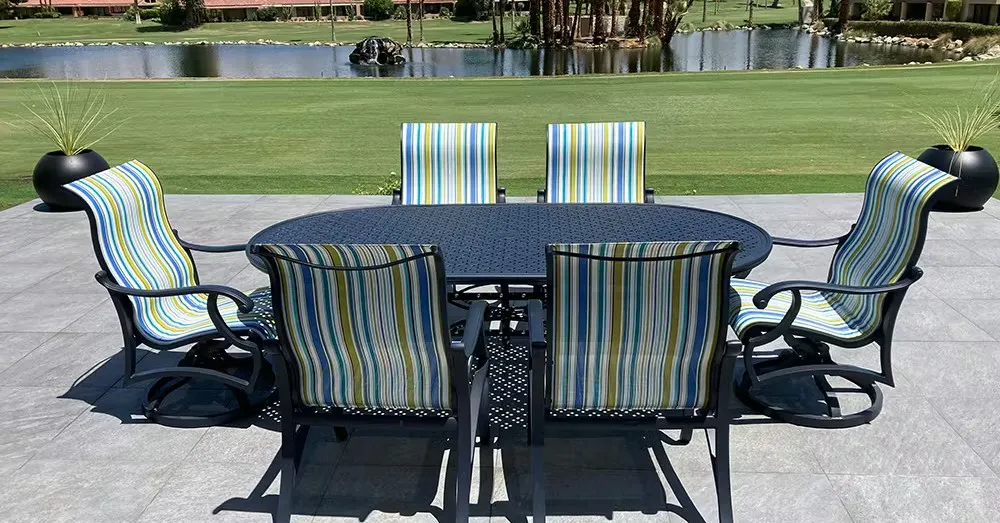
Outdoor spaces are a primary attraction for hotels and apartment complexes. Guests expect comfort, style, and cleanliness when they relax by the pool or on a balcony. The furniture you choose largely determines guest satisfaction and your operational budget. Among the various options, sling fabric furniture is a staple in the commercial industry.
Many property managers and interior designers don’t know what sling fabric furniture is or why it’s important. Its unique construction and durability work together to deliver a high-end aesthetic for commercial properties. Below, we will explore the mechanics of this furniture type and why it is a smart investment for your outdoor assets.
The Mechanics of Sling Furniture
Sling furniture differs from traditional cushion-based seating. The design relies on a piece of specialized fabric stretched tautly across a frame that’s usually made of aluminum or steel. Two side rails hold the fabric in place using a spline (a flexible cord) inserted into a track. This tension creates a supportive seat and backrest without the need for thick foam or polyester fill.
The absence of a cushion creates a streamlined, modern look that many designers prefer. It also eliminates the bulk associated with traditional patio seating. The engineering focuses on ergonomics; the fabric conforms to the user’s body while maintaining enough tension to provide firm support. The design is simple, with fewer components that can fail, making it an excellent choice for high-traffic areas.
Material Composition and Durability
The fabric used in sling furniture determines its longevity. Manufacturers typically weave these fabrics from high-strength polyester fibers coated with polyvinyl chloride (PVC) or vinyl. The coating protects the fibers from the elements, including intense UV rays, rain, and chlorinated pool water.
This material composition offers exceptional tear strength and dimensional stability. The fabric retains its shape even after years of use. Plus, it repels water, unlike natural fibers that absorb moisture and encourage mold growth. This feature is essential for poolside applications where guests sit down in wet swimsuits. The material withstands harsh bleaching agents and rigorous cleaning schedules, which housekeeping teams require to maintain sanitation standards.
Operational Advantages for Commercial Properties
Hotel operators and property managers prioritize efficiency, and sling furniture aligns perfectly with this goal. The furniture dries almost instantly after a rainstorm or morning cleaning because it lacks thick cushions. Staff do not need to spend hours tipping furniture to drain water or waiting for foam to dry before seating guests.
Storing this furniture is also easier. Many sling chairs stack conveniently, allowing staff to clear pool decks quickly for events or seasonal storage. The aluminum frames are so lightweight that moving the furniture is easily manageable for employees, reducing the risk of workplace strain or injury.
Aesthetic Flexibility in Design
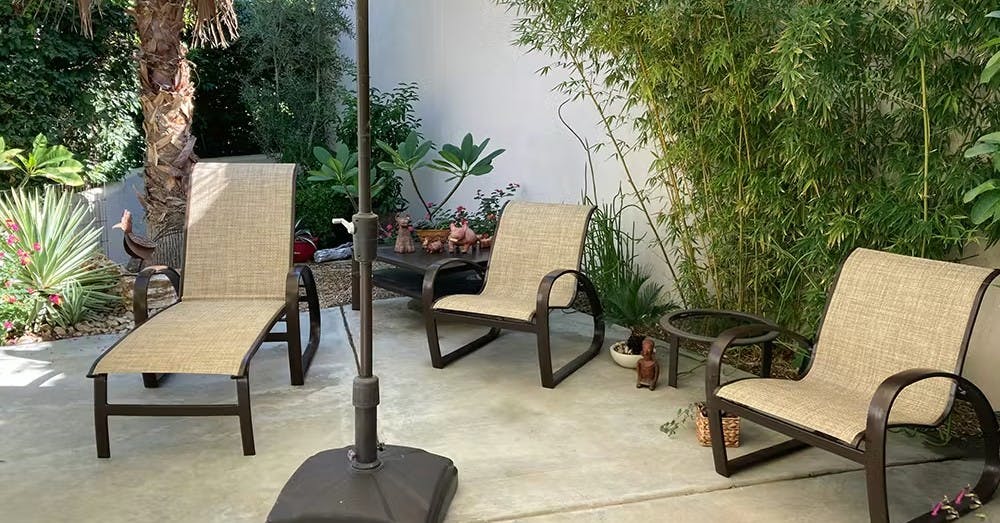
Designers often choose sling furniture for its versatility. In the past, options were limited to basic solid colors. Today, the industry offers a vast array of textures, weaves, and patterns that rival indoor upholstery. You can select fabrics that mimic the look of natural linen, woven wicker, or even metallic finishes.
This range allows you to customize outdoor spaces to match the property’s branding. A boutique hotel might opt for a sophisticated, open-weave fabric in a charcoal tone, while a family-friendly resort might choose a vibrant, tighter weave that resists spills.
Environmental Impact and Sustainability
Many businesses prioritize sustainability. Discarding entire furniture sets because of torn fabric fills landfills and wastes resources. Sling furniture supports a circular economy model. The metal frames often last for decades, far longer than the fabric itself, which makes them perfect for restoration.
Restoration is an eco-friendly alternative to replacement. You can reduce your property’s carbon footprint by keeping the high-quality frames and replacing the fabric when it wears down. This approach aligns with the sustainability goals of many modern hospitality brands.
Comparison to Cushion-Based Furniture
While deep-seating cushion furniture offers a “living room” feel, it presents challenges in commercial outdoor environments. Cushions act like sponges. If they get wet, they stay wet for a long time. This downtime renders the furniture unusable and frustrates guests. Cushions also trap pollen, dust, and dirt, requiring frequent, deep cleaning.
Sling furniture eliminates these issues. Air circulates freely through the mesh weave, keeping the user cool even on hot days. There is no foam to break down or lose loft over time. From a sanitation perspective, sling fabric is best because you can easily wipe it down and sanitize it between guests. It offers a practical advantage for high-turnover areas such as hotel balconies and main pool decks.
Maintenance and Care Best Practices
Sling furniture requires routine maintenance to extend the life of the fabric and the frame finish, but it’s straightforward.
- Routine cleaning: Use a mixture of mild dish soap and warm water. Scrub the fabric with a soft-bristle brush to remove sunscreen, body oils, and dirt.
- Rinsing: Rinse the furniture thoroughly with a hose to remove all soap residue. Soap left on the fabric can attract more dirt and encourage mildew growth.
- Dealing with mildew: If mildew appears, many sling fabrics can tolerate a diluted bleach solution. Always check the manufacturer’s guidelines for your fabric type before applying harsh chemicals.
- Frame care: Inspect the frames for chips in the powder coating. Touching up these areas prevents oxidation and rust.
Recognizing Signs of Wear
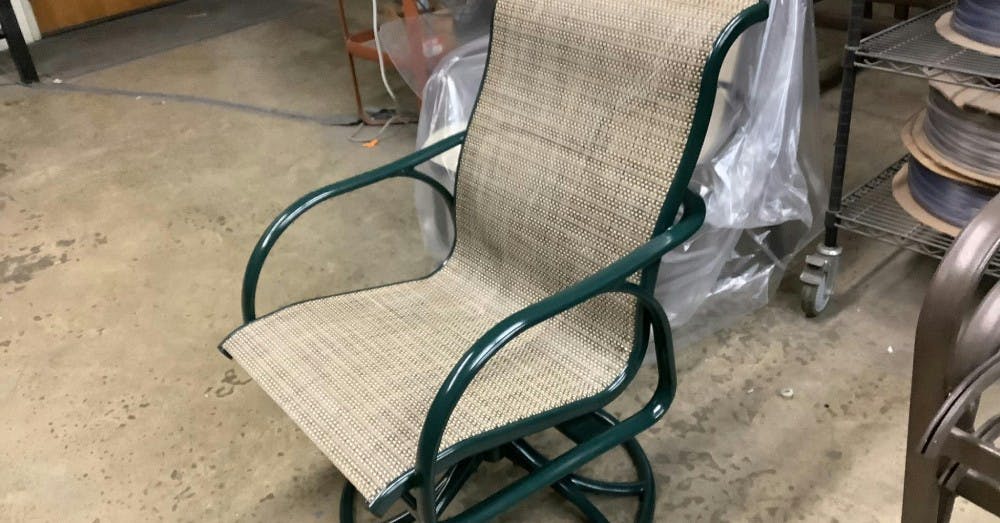
Even the highest quality materials eventually succumb to the elements and heavy use. Identifying wear early prevents accidents and keeps your property looking professional. The most common sign of failure is ripping or tearing along the side rails where the fabric meets the frame.
Sagging is another clear indicator. Over time, the tension relaxes. If a guest sits in the chair and sinks low enough to touch the support bars, the fabric has lost its structural integrity. Discoloration and fading from the sun also signal that the material’s UV protection has worn off, making the fibers brittle. When these signs appear, scheduling patio furniture repair restores the safety and beauty of your assets without the expense of buying new pieces.
Elevating Your Outdoor Experience
Your outdoor furniture communicates the quality of your establishment to every guest. Tattered, sagging chairs suggest neglect, while crisp, tight, and stylish furniture suggests luxury and attention to detail. Sling fabric furniture is important because it is durable and stylish, and it’s easy for commercial properties to care for.
At CFR Patio, we bring over 30 years of expertise to every project. We understand the rigorous demands of the hospitality industry and deliver results that meet those standards. Whether you need to revitalize a few chaise lounges or restore an entire pool deck, our team provides the craftsmanship and quality you deserve.
Contact CFR Patio today to discuss your restoration project and discover how we can transform your outdoor space.