
Signs It’s Time To Replace Your Patio Seat Cushions
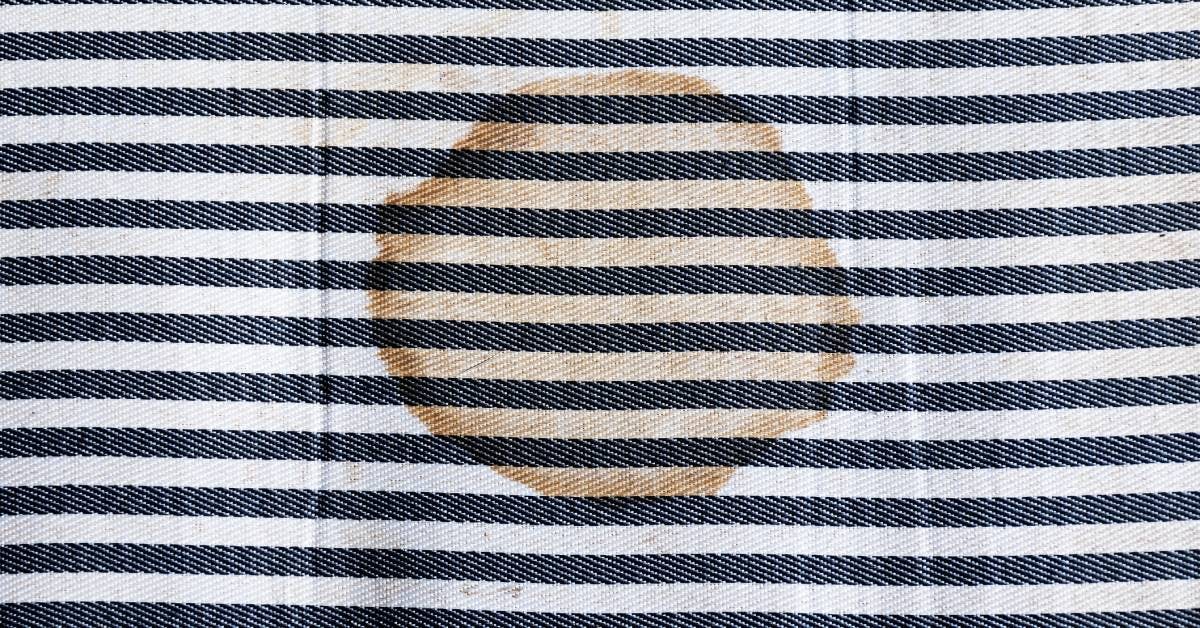
A well-furnished patio transforms your outdoor space into a cozy retreat. But over time, those inviting seat cushions lose their luster, comfort, and functionality and need replacement to keep the space looking fresh. Here are some significant signs it’s time to replace your patio seat cushions.
Fading
Prolonged exposure to sunlight causes vibrant colors to become dull and washed out. UV radiation breaks down the pigments in the fabric, resulting in a lackluster appearance. If your once-bright cushions now look tired and faded, it’s time to consider an upgrade.
Faded cushions look unattractive and affect the overall ambiance of your outdoor space. Vibrant colors contribute to the cheerful and inviting atmosphere of your patio. Choose new cushions in bold, UV-resistant fabrics that revitalize your patio and create a welcoming environment.
Sagging and Deformation
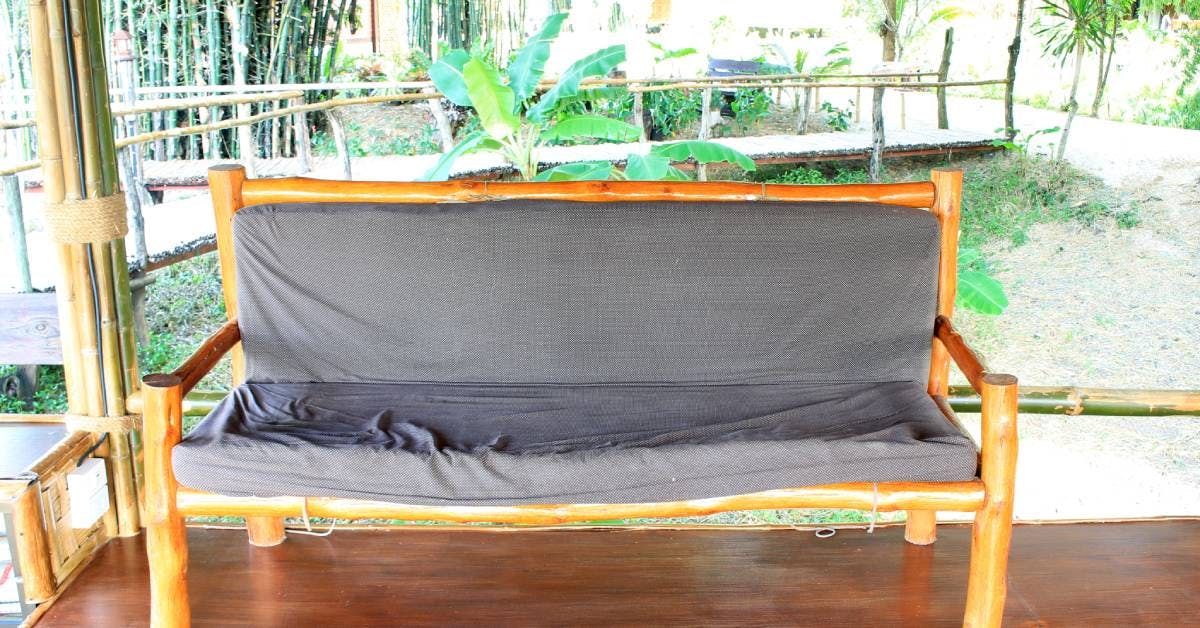
One of the first signs that your patio seat cushions are past their prime is noticeable sagging and deformation. Cushions that lose their original shape detract from the overall aesthetic of your patio furniture.
Over time, the foam or filling inside the cushions compresses and becomes uneven. This affects its look and diminishes the comfort it once provided. If you find that sitting on your patio furniture feels more like sinking into a hole, that’s a clear sign that your cushions need replacing.
Sitting on deformed cushions for extended periods can result in backaches and other issues. Replacing these worn-out cushions with fresh, firm ones can restore the comfort and support you need for enjoyable outdoor lounging.
Additionally, sagging cushions accelerate wear and tear on the underlying furniture due to uneven pressure that strains the structure of your chairs or benches.
Noticeable Wear and Tear
Daily use and exposure to the elements inevitably lead to wear and tear on patio seat cushions. Frayed edges, loose threads, and visible holes are clear signs that replacing your patio seat cushions is necessary. The damaged fabric is shabby and compromises the durability of the cushions. If you notice any of these issues, it’s time to invest in new cushions.
Wear and tear also impact your cushions’ functionality. Additionally, damaged cushions may not provide the same level of comfort and support as they once did. Replacing them ensures you enjoy outdoor space without worrying about compromised seating quality.
Mold and Mildew Growth
Mold and mildew growth are serious issues that require immediate attention. Cushions exposed to moisture and humidity are prone to developing mold and mildew, which are harmful to your health.
Mold and mildew also pose health risks and cause irreversible damage to your cushions. Once mold takes hold, it’s challenging to remove it completely, and it spreads to other areas of your patio cushions. If you notice black or green spots on your cushions, a musty odor, or any signs of mold growth, it’s crucial to replace them promptly.
Replacement outdoor furniture cushions are the best for ensuring a clean and healthy outdoor environment. Preventing mold and mildew growth in the future involves choosing cushions consisting of mold-resistant materials. Look for fabrics that repel moisture and inhibit the spread of mold and mildew.
Persistent Smells
Cushions absorb odors from various sources, including food, pets, and the environment. Over time, these odors become trapped in the fabric and filling, creating a persistent and unpleasant smell.
Thoroughly cleaning cushions removes some odors, but if the smell persists despite your efforts, it’s a sign that the cushions have reached the end of their lifespan. Replacing old, smelly cushions with fresh ones ensures a pleasant and odor-free seating experience. Consider using cushions with odor-resistant materials to prevent bad smells from recurring.
Allergies and Skin Irritations
If you or your guests experience allergies or skin irritations when sitting on your patio cushions, that strongly indicates it’s time for an upgrade. Old cushions accumulate dust, pollen, and other allergens over time. These particles trigger allergic reactions and cause discomfort, especially for individuals with sensitivities.
Skin irritations also result from worn-out or deteriorating cushion materials. Fabrics that have become rough or abrasive cause itching and discomfort. If you notice that sitting on your cushions leads to redness, itching, or other skin issues, it’s time to replace them with new, hypoallergenic options.
Choosing cushions consisting of allergy-friendly materials can help alleviate these issues. Look for fabrics that repel allergens and are gentle on the skin.
Water Retention
Cushions that retain water become heavy, uncomfortable, and prone to mold and mildew growth. If your cushions take a long time to dry after exposure to rain or moisture, that’s a sign that they’re no longer effectively repelling water.
Waterlogged cushions also lead to discomfort and unpleasant smells. Sitting on wet cushions is unenjoyable, resulting in a soggy and uncomfortable experience. Replacing old, water-retentive cushions with water-resistant options ensures that your outdoor seating remains dry and comfortable.
Polyester or acrylic cushions repel moisture and dry quickly, making them ideal for outdoor use. Additionally, storing your cushions in a dry, sheltered area when not in use extends their lifespan.
Insect Infestation
Pests such as ants and spiders can find their way into cushions, causing damage and creating an unsanitary environment. If you notice signs of insect activity, such as nests, droppings, or chewed fabric, it’s time to replace your cushions.
Insects damage the cushions and pose health risks to you and your guests. Bites, stings, and allergic reactions are all potential hazards of insect-infested cushions. Replacing old, infested cushions with new ones helps ensure a safe and comfortable outdoor seating area. Regularly inspect and clean your cushions to detect and address any signs of insect activity early on.
Out-of-Date Style
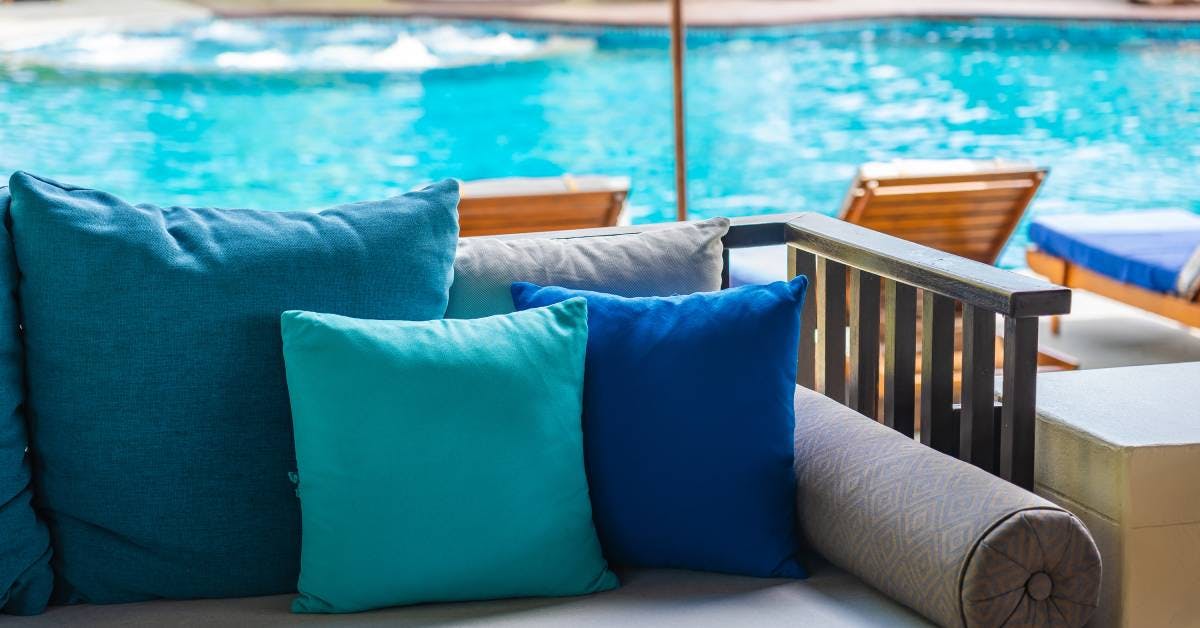
Modernizing the look of your outdoor space is a common occurrence, especially after using the same patio seat cushions for years. Styles and trends in outdoor furniture evolve, and holding onto old, dated cushions makes your entire setup look stale and uninviting.
Swap out your cushions for new designs and instantly refresh your patio’s appearance, giving it a contemporary and stylish vibe. Choose from various colors, patterns, and textures to complement your existing furniture and personalize your outdoor area. Upgrading to new cushions enhances visual appeal and adds a touch of sophistication, ensuring your patio stays current and inviting for years to come.
Decreased Durability
Over time, the materials in the cushions break down, leading to reduced strength and resilience. If your cushions are tearing, fraying, or losing their structural integrity, it’s time to invest in new ones.
Durability is essential for outdoor cushions, as they become exposed to various elements and undergo frequent use. Cushions that are no longer durable compromise the comfort and safety of your seating area.
Replacing old, worn-out cushions with new, high-quality options ensures that your outdoor furniture remains reliable and long lasting. When selecting new cushions, prioritize durability by choosing materials designed for outdoor use. Go for weather-resistant and tear-resistant fabric.
Your patio is an extension of your home. It’s a place where you relax, entertain, and enjoy the outdoors. Knowing when it’s time to replace your patio seat cushions ensures consistent comfort. By recognizing these signs and taking proactive measures, you can ensure that your outdoor space remains inviting and comfortable.