
Summer Weather Conditions and Their Impact on Patio Seating
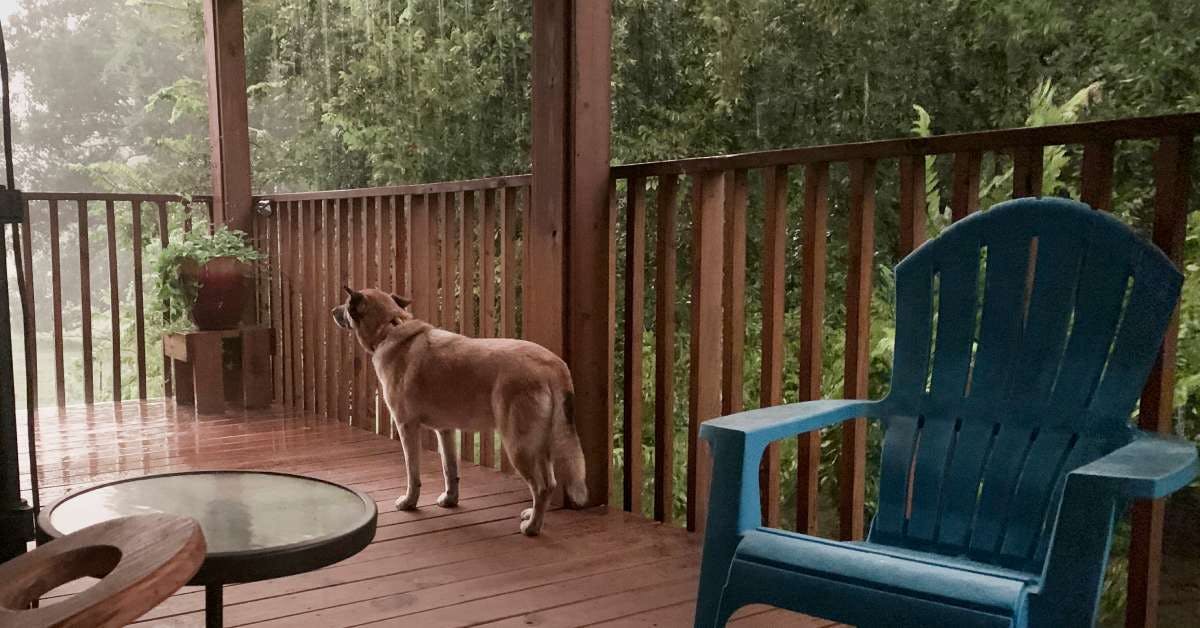
Summer is a season many look forward to, especially those who enjoy spending time outdoors. But while you may revel in the idea of alfresco dining and lounging, summer weather conditions pose significant challenges to maintaining patio seating areas. Discover the potential impacts of summer weather conditions on your patio seating and actionable tips to keep your outdoor spaces looking pristine throughout the season.
Understanding Potential Weather Damage in the Summer
Summer brings a variety of weather conditions that wreak havoc on patio furniture. From intense sunlight to unexpected rainstorms, each element has the potential to cause damage.
Temperatures and humidity also have a significant role in damaging outdoor furniture In higher values and abundance. Understanding these threats is the first step in protecting your investment and ensuring your patio remains a pleasant place to relax.
Sunny Weather
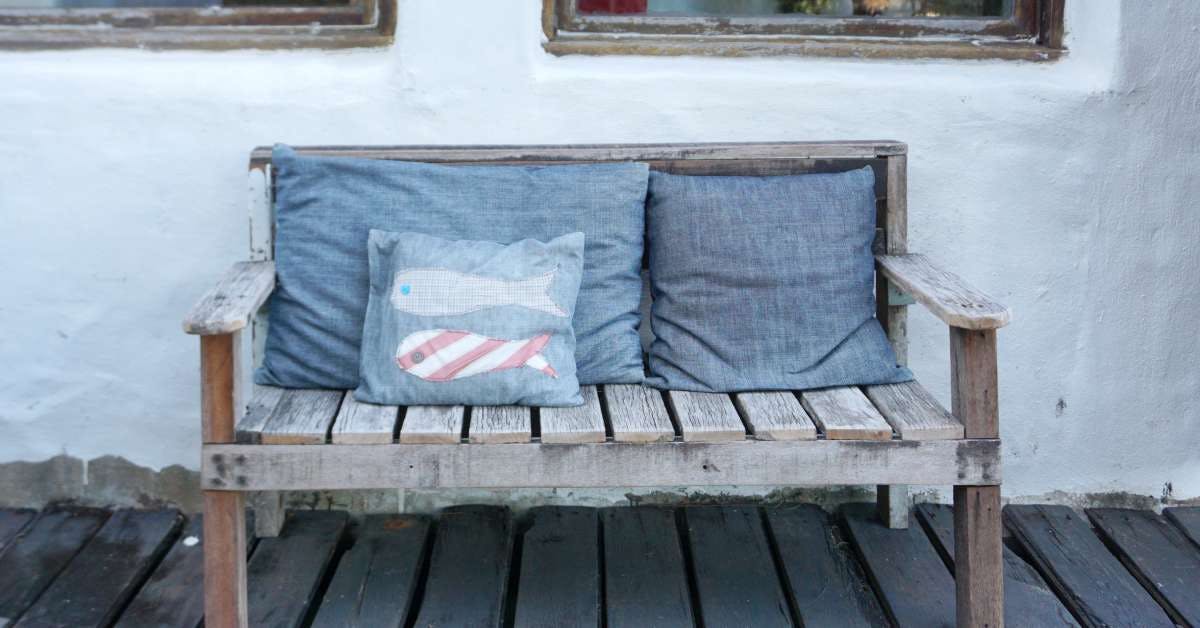
The sun’s UV rays are incredibly damaging to patio furniture. Prolonged exposure fades colors, weakens fabrics, and may cause some materials to crack or become brittle. The UV rays break down the chemical bonds that create color, and as the colors dull, the structure of cushions and linens begins to deteriorate. Materials such as wood and plastic may become brittle because of the direct heat from sunlight that dries out the surface. The summer’s longer days and more frequent days of sunny weather, means longer sun exposure for your furniture. And just as with people, your patio furniture shouldn’t remain in the sun for extended periods unless there is a method of protection to block those UV rays.
Rain
Rain is inevitable during the summer months and is particularly harmful to patio furniture. After a summer shower, water may seep into cushions, leading to mold, mildew, and unpleasant odors.
Metal frames may rust, and wooden surfaces swell or warp as they absorb the moisture. Even slight drizzles are enough to create moisture in the fabric and eventually lead to ripping and tearing when used by guests and residents.
High Heat and Humidity
High heat and humidity are common in summer and cause significant damage to patio furniture. Heat weakens the density of plastic, making it easier to bend out of shape. Plastic strap chairs are susceptible to warping as people sit on them during hot days, and they will need repairs to regain their original shape.
Humidity degrades fabrics and promotes mold growth. As temperatures rise, the humidity in the air holds more water vapor, causing a saturation effect on surfaces.
The heat and humidity create the optimal environment for mildew and mold, which break down materials and spread to other surfaces. It’s essential to consider these effects for the sake of anyone who sits in your patio furniture as they may come into contact with these allergens and particulates.
Strong Winds
Strong winds are a major concern for patios, especially in open areas. Furniture may blow over or get tossed about by powerful winds, causing damage to the furniture and the patio. These winds are more common during the beginning and end of the summer as the changing temperature creates higher air pressure.
Air masses move from high-pressure areas to low-pressure areas and cause strong winds to blow. Windy weather is also a threat to small objects on top of patio furniture such as jars or centerpieces. When you feel the wind picking up, securing these small fixtures is best until the weather regulates.
Preventative Measures for Your Patio
Prevention is key, especially when it comes to maintaining patio furniture. As summer weather conditions impact your patio seating, it’s important to keep your furniture in the best condition possible. Fortunately, there are a few ways to protect outdoor furniture without sacrificing its beauty.
Adding an Awning
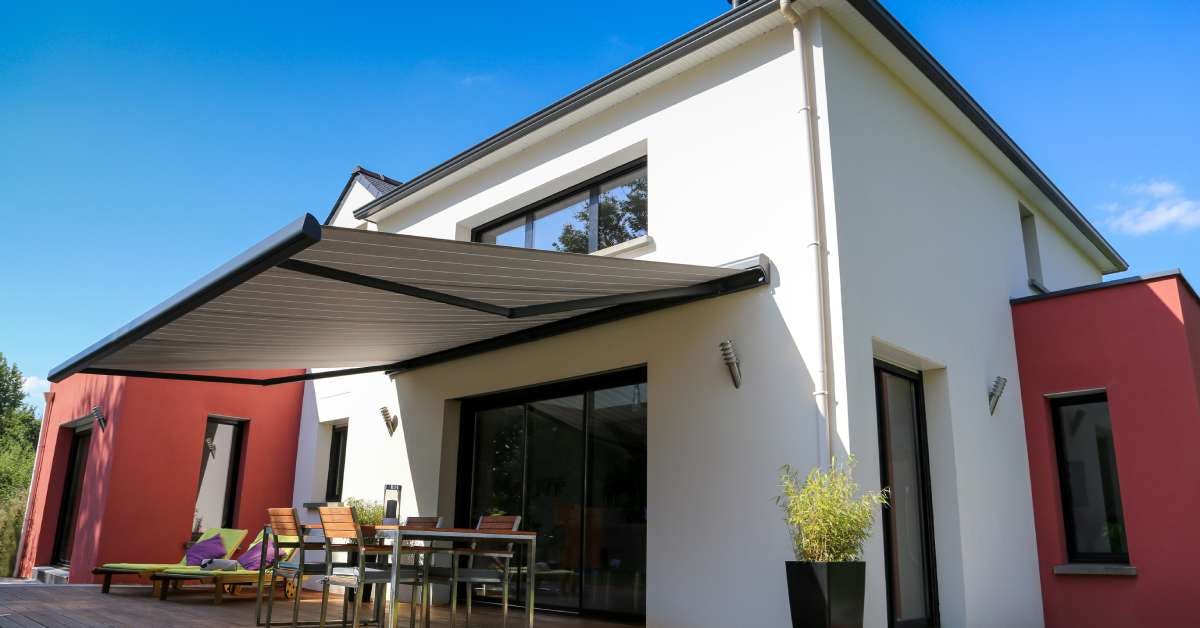
Installing an awning is one of the most effective ways to shield your patio from the elements. Awnings provide shade, reducing the impact of UV rays and keeping temperatures cooler. They also offer protection from rain, preventing water damage to your furniture.
Awnings come in various styles and materials, so you’ll have options when choosing one that complements your outdoor decor while providing the necessary protection. Retractable options offer flexibility, allowing you to enjoy the sun when you want and shelter when you need it. You can also place standing umbrellas over furniture for an adjustable option.
Regular Maintenance
Consistent maintenance is crucial for the longevity of patio furniture. This includes regular cleaning to remove dirt, pollen, and other debris that cause wear over time. It’s also important to apply protective finishes to surfaces exposed to sun and rain.
Periodic inspections identify potential issues early, allowing for quick repairs and preventing further damage. Maintaining a routine schedule ensures your patio furniture stays in top condition throughout the summer.
Protective Finishing
Applying a protective finish to your patio furniture significantly extends its life. These finishes create a barrier against moisture, UV rays, and other damaging elements. For wooden furniture, a sealant prevents water absorption and maintains its appearance.
Metal furniture benefits from rust-resistant coatings, while fabrics receive UV-protective sprays. Regularly reapplying these finishes, as manufacturers recommend, keeps your furniture looking new and well-protected.
Positioning Furniture for Optimal Protection
Where you place your patio furniture also affects its longevity. Positioning furniture under trees or beside buildings provides natural shade and wind protection.
Avoid placing furniture in low-lying areas where water may pool during rainstorms. Using rugs or mats protects the bottoms of furniture legs from absorbing moisture from the ground. By strategically positioning your furniture, it’s easier to mitigate some of the damage caused by summer weather conditions.
Handling Repairs After Weather Damage
Despite your best efforts, there may be times when your patio furniture sustains damage. Knowing how to handle repairs saves you from costly replacements. Although handling minor repairs like a tattered cushion is possible, some repairs require an expert.
Hire a Repair Service
Hiring a professional repair service like CFR Patio for furniture offers numerous benefits that significantly extend the life of your investment. Our professionals bring specialized skills and tools that ensure our outdoor furniture repairs are proper and efficient, addressing issues that DIY efforts might overlook.
They accurately assess the extent of damage and determine the best course of action, whether replacing a rusted metal frame, mending torn fabric, or refinishing wooden surfaces. Additionally, professional repair services have access to high-quality materials and parts that may not be readily available to the general public. This expertise restores your furniture to its original condition and enhances its durability and aesthetic appeal, ensuring it remains a stylish and functional part of your outdoor space.
Summer weather conditions challenge even the best-maintained patio seating areas. Understanding the potential damage and taking proactive measures will protect your investments and allow you to enjoy your outdoor spaces all season long.